
Why Winter Roof Inspections Aren’t Just for Leaks: The Proactive Approach
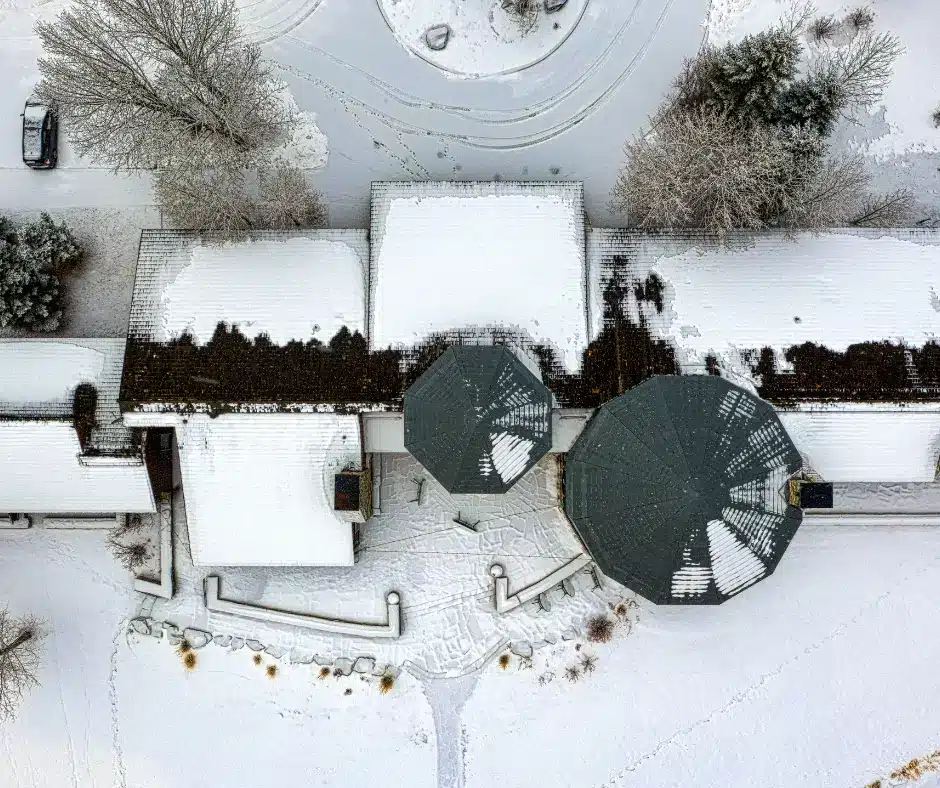
You notice a water stain on your ceiling. By then, the damage is already done.
Most Winnipeg homeowners call a roofing company when they see a problem. A drip. A wet spot. Ice is backing up under the shingles. But waiting for visible signs means you’re addressing damage, not preventing it.
Winter roof inspections in Winnipeg serve a different purpose. They catch problems before they become expensive repairs. Before water enters your home. Before small issues turn into full replacements.
The Real Cost of Waiting for Leaks
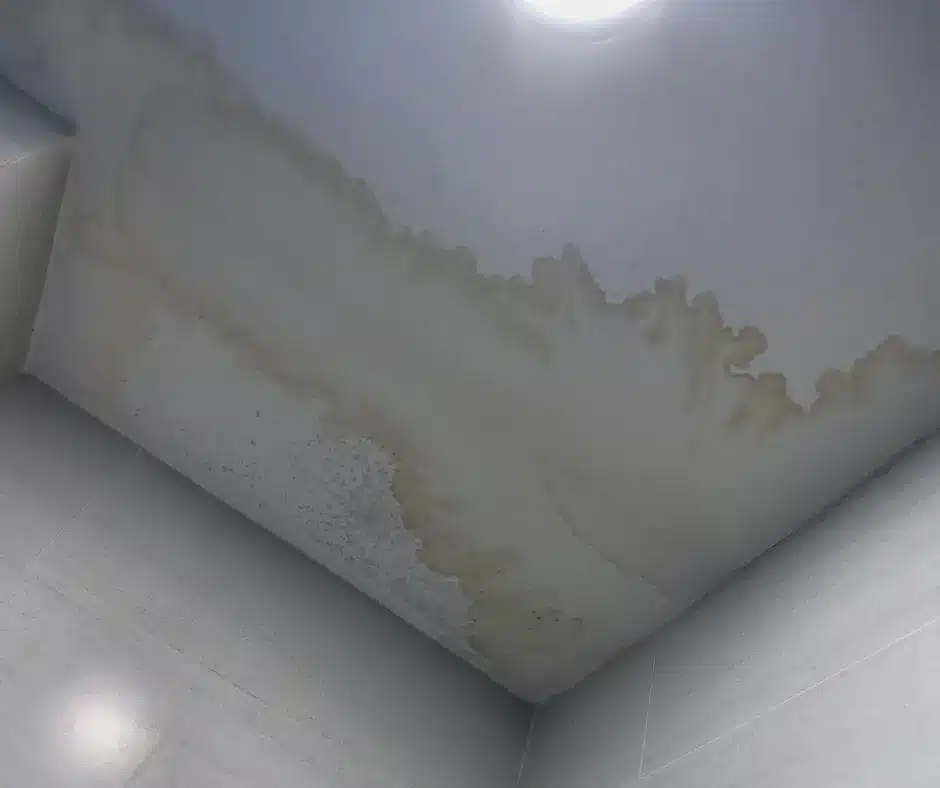
A leak represents the final stage of roof failure. Water travels along rafters and insulation before it reaches your home’s interior. That single drip you notice? It started weeks or months earlier.
Here’s what happens before you see water damage:
- Flashing separates from chimneys or vents
- Ice dams force water under shingles
- Shingle granules wash away, exposing the asphalt
- Ventilation fails, trapping moisture in your attic
- Small cracks expand during freeze-thaw cycles
Each issue compounds. A small gap in flashing becomes a water entry point. Poor ventilation creates ice dams. Ice dams push water backward under shingles. By the time you see the leak, you’re dealing with rotted decking, damaged insulation, and potential mold growth.
According to Canadian home repair cost data, the average cost to repair water damage from a roof leak in Winnipeg ranges from $1,200 to $5,000, depending on the extent of interior damage and required roof patching. Compare that to a $200 to $400 inspection that identifies problems early.
What Winter Conditions Reveal About Your Roof
Winnipeg winters test every roof. Environment and Climate Change Canada records show temperatures swing from -30°C to above freezing within days. Snow accumulates, melts, refreezes. These conditions expose weaknesses that mild weather hides.
A professional roof check in Winnipeg during winter shows:
Ice dam formation patterns. Ice dams don’t just happen randomly. Ice dams form in areas where heat escapes from your roof, causing snow to melt and then refreeze at the eaves. This pattern tells a trained inspector exactly where your insulation or ventilation fails. The Canada Mortgage and Housing Corporation has documented this relationship between heat loss and ice dam formation in technical studies.
Flashing performance under stress. Metal flashing expands and contracts with temperature changes. Winter extremes accelerate this movement. Small gaps appear around chimneys, skylights, and vents. These gaps are invisible from the ground but obvious during a close inspection.
Shingle condition after freeze-thaw cycles. Asphalt shingles contain petroleum products that become brittle in extreme cold. When temperatures rise, they expand. This cycle creates cracks and curling. A winter inspection catches these changes before spring rains exploit them.
Ventilation effectiveness. Proper attic ventilation keeps your roof cold in winter, preventing ice dams. During an inspection, we measure temperature differences between your attic and the outside air. A warm attic in winter means you’re losing heat and creating conditions for ice damage.
Snow load distribution. The Manitoba Building Code specifies a ground snow load of approximately 1.9 to 2.1 kPa for Winnipeg, based on the National Building Code of Canada. The actual roof design load varies depending on your roof slope and exposure factors. Uneven snow accumulation suggests issues with heat loss, poor drainage, or potential framing concerns. An inspector identifies these patterns and their causes.
The Hidden Problems Winter Inspections Catch
Leaks are obvious. They force you to act. But winter roof inspections reveal issues that operate quietly for years, slowly degrading your roof’s performance.
Compromised Flashing
Flashing creates a waterproof seal where your roof meets walls, chimneys, or vents. It’s typically aluminum or galvanized steel, bent and secured with fasteners and sealant.
Winter conditions test flashing constantly. The metal contracts in cold and expands when temperatures rise. Sealant hardens and cracks. Fasteners loosen.
During inspections, we commonly find:
- Separated step flashing along chimneys
- Cracked pipe boot seals around plumbing vents
- Loose valley flashing where roof planes meet
- Deteriorated counter-flashing on brick chimneys
Based on our field data from thousands of Winnipeg home inspections, flashing issues appear in a significant percentage of homes over 15 years old. These issues don’t leak immediately. Water runs down, hits the flashing, and finds the path of least resistance. In the summer, evaporation helps. In winter, water freezes in small gaps, expanding them. The leak appears months or years later.
Ventilation Failures
Your attic needs airflow. Cold air enters through soffit vents. Warm air exits through ridge or roof vents. This circulation keeps your attic cold in winter and prevents ice dams. This principle is well documented in Canada Mortgage and Housing Corporation guidelines and National Roofing Contractors Association standards.
Common ventilation problems we identify:
- Blocked soffit vents from insulation
- Insufficient intake-to-exhaust ratio
- Disconnected or damaged roof vents
- Bath fan venting into the attic instead of outside
Poor ventilation costs you in three ways. First, ice dams form when your roof stays warm. Second, trapped moisture rots wood decking and rafters. Third, your heating costs increase as warm air escapes.
A winter roof inspection includes attic access. We measure temperatures, check airflow, and document any moisture buildup or frost accumulation on rafters.
Shingle Deterioration
According to Canada Mortgage and Housing Corporation and National Roofing Contractors Association data, asphalt shingles last 20 to 25 years in Winnipeg’s climate. But they don’t fail suddenly. They degrade gradually, losing granules that protect the asphalt layer underneath.
Winter inspections reveal:
- Granule loss (shingles appear darker or patchy)
- Curling edges from repeated freeze-thaw cycles
- Cracked or missing shingles
- Worn areas around roof penetrations
When shingles lose granules, UV radiation breaks down the asphalt. The material becomes brittle. Cracks form. Water enters. By the time you notice this from the ground, replacement is often necessary.
An inspection catches early-stage deterioration. You might have 3 to 5 years of life left, giving you time to budget and plan.
Structural Concerns
Snow accumulation reveals how your roof handles weight. Uneven sagging, separated seams, or visible deflection indicate problems with rafters or decking.
We document:
- Areas where snow melts faster (heat loss points)
- Sagging sections that suggest rafter damage
- Separated decking visible from inside the attic
- Compression of insulation from roof movement
Structural issues require immediate attention. A roof that sags under snow load in January won’t improve by March.
The Proactive Maintenance Cycle
Professional roof maintenance follows a cycle. You don’t wait for failure. You schedule inspections based on time and conditions.
For Winnipeg properties, this means:
Annual winter roof inspections. Schedule between December and February. This timing lets us see how your roof performs under maximum stress. We identify ice dams, ventilation issues, and snow load problems while they’re active. The National Roofing Contractors Association recommends annual inspections for cold-climate roofs.
Post-storm checks. After major wind events or heavy snow, a quick inspection catches new damage. Wind lifts shingles. Heavy snow stresses rafters. Early detection prevents progressive failure.
Pre-sale inspections. If you’re selling, a roof inspection provides documentation for buyers. If you’re buying, it reveals the true condition and expected remaining lifespan.
Age-based planning. Once your roof reaches 15 years old, increase inspection frequency. Annual checks help you predict replacement timing and budget accordingly.
This approach extends roof life by 2 to 5 years. Small repairs cost hundreds. Neglected issues lead to replacements costing $8,000 to $15,000 for an average Winnipeg home, based on current regional pricing data.

What to Expect During a Professional Winter Inspection
Legitimate roofing contractors conduct winter roof inspections using a systematic process. We don’t just look for leaks. We assess your entire roof system.
Exterior examination. We inspect from the ground using binoculars and from the roof surface when safe. We document shingle condition, flashing integrity, and ventilation components. We photograph problem areas for your records.
Attic assessment. Interior inspection reveals what exterior examination misses. We check for moisture, measure temperatures, examine rafters and decking, and verify insulation coverage. We document any signs of past or present leaks.
Thermal imaging. Infrared cameras show temperature differences invisible to the eye. Hot spots indicate heat loss. Cold spots suggest missing insulation. This technology identifies ventilation and insulation problems with precision.
Detailed reporting. You receive a written report with photos, condition ratings, and specific recommendations. We prioritize issues by urgency and provide cost estimates for repairs.
Action plan. We don’t just list problems. We explain what needs immediate attention, what to monitor, and what to plan for in the coming years. You leave with clear next steps.
The inspection takes 1 to 2 hours, depending on your home’s size and complexity. We work safely in winter conditions, using proper equipment and following fall protection protocols.
When Small Repairs Prevent Big Replacements
Most problems we find during winter roof inspections cost $300 to $1,500 to repair. These aren’t just minor fixes. They’re interventions that prevent major damage.
Common repairs from winter inspections:
- Reflashing chimneys: $400 to $800
- Replacing pipe boots: $150 to $300 each
- Adding or clearing roof vents: $200 to $600
- Sealing small penetrations: $100 to $400
- Replacing damaged shingles: $250 to $700 per section
Compare these costs to full replacement. Based on current Winnipeg market rates, a 1,500 square foot roof replacement costs $10,000 to $13,000 on average. That includes removal, new shingles, underlayment, and disposal.
A $600 repair that adds 5 years to your roof’s life saves you money. It also gives you time to plan and budget for eventual replacement rather than facing an emergency.

The All Weather Exteriors Approach
We’ve inspected over 3,000 roofs in Winnipeg. Our experience shows that proactive roof maintenance saves homeowners an average of $2,400 compared to reactive repairs.
Our process focuses on education. We show you what we find. We explain why it matters. We provide options, not pressure. You decide when and how to address issues based on your budget and priorities.
Winter roof inspections serve property owners best when conducted by experienced professionals who understand Winnipeg’s specific challenges. Our inspectors know local building codes, common roof types, and how the climate affects different materials.
We work year-round because roof problems don’t wait for spring. Ice dams form in January. Wind damage happens in March. Identifying issues in real time gives you maximum control over repairs and costs.
Taking Action Before Spring
Spring brings heavy rain and rapid snowmelt. Any weakness in your roof becomes a leak risk. A winter inspection identifies and addresses these weaknesses before seasonal stress tests arrive.
Schedule your winter roof inspection now. You’ll know your roof’s true condition. You’ll have time to complete repairs before spring storms. You’ll avoid the emergency calls that come with unexpected leaks.
Call All Weather Exteriors at 204-5102959 or visit our website to book your inspection. We’ll assess your roof, provide detailed findings, and give you a clear action plan.
Your roof protects everything inside your home. A small investment in professional inspection protects that investment and gives you confidence through another Winnipeg winter.
Frequently Asked Questions
How often should I schedule winter roof inspections in Winnipeg?
Annual winter inspections work best for most homes. If your roof is over 15 years old, schedule inspections every year without exception. Newer roofs under 10 years old can often extend to every 2 years unless you’ve had storm damage or notice problems. Properties with known ice dam issues benefit from annual checks to monitor ventilation and insulation performance. The inspection cost of $200 to $400 annually is minimal compared to repair costs from undetected problems.
Can you safely inspect roofs in winter when there’s snow and ice?
Yes, with proper equipment and protocols. Professional inspectors use safety harnesses, specialized footwear, and ice melt products to access roofs safely. We avoid inspections during active snowfall or when temperatures drop below -25°C. Snow presence actually helps identify problem areas, showing heat loss patterns and ice dam formation. For steep or heavily iced roofs, we use drones and interior attic inspections to assess condition without risking safety. We never compromise inspector safety for a roof inspection.
What’s the difference between a winter inspection and waiting until spring?
Winter inspections catch problems while they’re active. Ice dams, ventilation failures, and heat loss patterns are visible only during cold weather. Spring inspections show damage after it occurs. You see the results of winter stress but miss the opportunity to prevent it. Additionally, spring is the busiest season for roofing companies. Winter scheduling means faster service, more availability, and immediate repairs before spring rains test your roof. The choice is between preventing damage and documenting it after the fact.
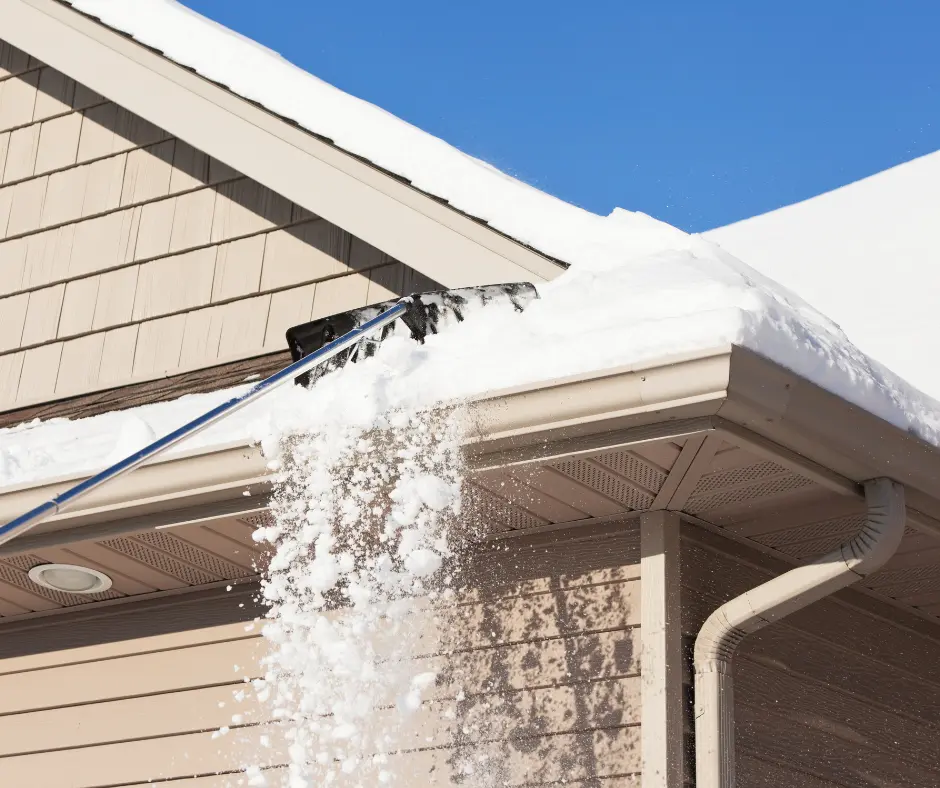
Why Professional Inspection Matters More Than DIY
You can’t see most roof problems from the ground. You can’t safely access a winter roof without training and equipment. You can’t interpret subtle signs that indicate progressive failure.
Professional winter roof inspections give you knowledge. Knowledge lets you make informed decisions about your property. You protect your investment, avoid emergency repairs, and extend your roof’s working life.
All Weather Exteriors brings 20 years of Winnipeg roofing experience to every inspection. We know what to look for. We know what matters. We know how to keep your home protected.
Contact us today to schedule your winter roof inspection (subject to availability). Your roof works hard to protect you. Make sure it’s ready for everything Winnipeg weather brings.
Leave a Reply
You must be logged in to post a comment.