
How Long Will Your Next Roof Actually Last in Winnipeg’s Climate? A Realistic Lifespan Guide

If you’re a Winnipeg homeowner, you already know the weather doesn’t mess around. From February deep-freezes to summer hailstorms, your roof takes a beating every single season. So before you spend $10,000 or more on a new roof, the most important question you can ask is: how long does a roof last in Winnipeg?
Not in Florida. Not in Vancouver.
Here. In Winnipeg.
The honest answer might surprise you. Roofs in the Prairies age faster than almost anywhere else in Canada. But the right material, installed the right way, can still give you decades of solid protection. This guide breaks it all down in plain language so you can make a smart, informed decision.
TL;DR:
Asphalt shingle roofs in Winnipeg last roughly 15–25 years, shorter than the national average due to harsh winters and hail. Metal roofs last 40–70+ years and hold up much better in Prairie conditions. Your roof’s age also affects your home insurance, especially after the 20-year mark. Regular maintenance can add years to any roof’s life.
How Long Does A Roof Last in Winnipeg?
Not all roofing materials are created equal, and Winnipeg’s climate exposes the weak ones fast. Here’s a realistic breakdown of what you can expect from the most common options.
Asphalt Shingles: The Most Common Choice (15–25 Years)
Asphalt shingles cover the majority of homes in Winnipeg, and for good reason, because they’re affordable and widely available. But they’re also the most vulnerable to Prairie weather.
Under normal conditions, a standard 3-tab asphalt shingle roof lasts about 15 to 20 years in Winnipeg. Higher-quality architectural (laminate) shingles can push that to 20 to 25 years, but only with proper installation and regular upkeep.
For comparison, the same shingles on a home in a milder climate might last noticeably longer. Winnipeg’s freeze-thaw cycles, hail, and extreme cold place roofs under stress that simply doesn’t exist in gentler Canadian climates, and that stress shortens lifespan in ways that are hard to predict with a single percentage figure.
What Shortens an Asphalt Roof’s Life Faster
- Poor attic ventilation trapping heat and moisture
- Ice dams forming at the eaves every winter
- Hail storms cracking or bruising shingles (even when damage isn’t immediately visible)
- Improper installation — a common issue with rushed, budget contractors
Metal Roofing: The Long-Game Option (40–70+ Years)
Metal roofing has grown significantly in popularity across Manitoba, and the numbers explain why. A properly installed metal roof can last 40 to 70 years or more, often outlasting the mortgage on the house.
Steel and aluminum roofs handle freeze-thaw cycles far better than asphalt. Snow slides off naturally, reducing ice dam risk. They’re also impact-resistant, which matters a great deal in a city that sees its share of hail every summer.
The trade-off is the upfront cost. Metal roofing typically costs two to three times more than asphalt at installation. But when you divide that cost over a 50-year lifespan versus replacing asphalt every 20 years, metal often wins financially in the long run.
Is Metal Right for Your Home?
Metal roofing is worth considering if:
- You plan to stay in your home for 15+ years
- You want to reduce long-term maintenance costs
- Your current asphalt roof is aging, and you want a permanent solution
- You’re interested in potential insurance discounts (more on that below)
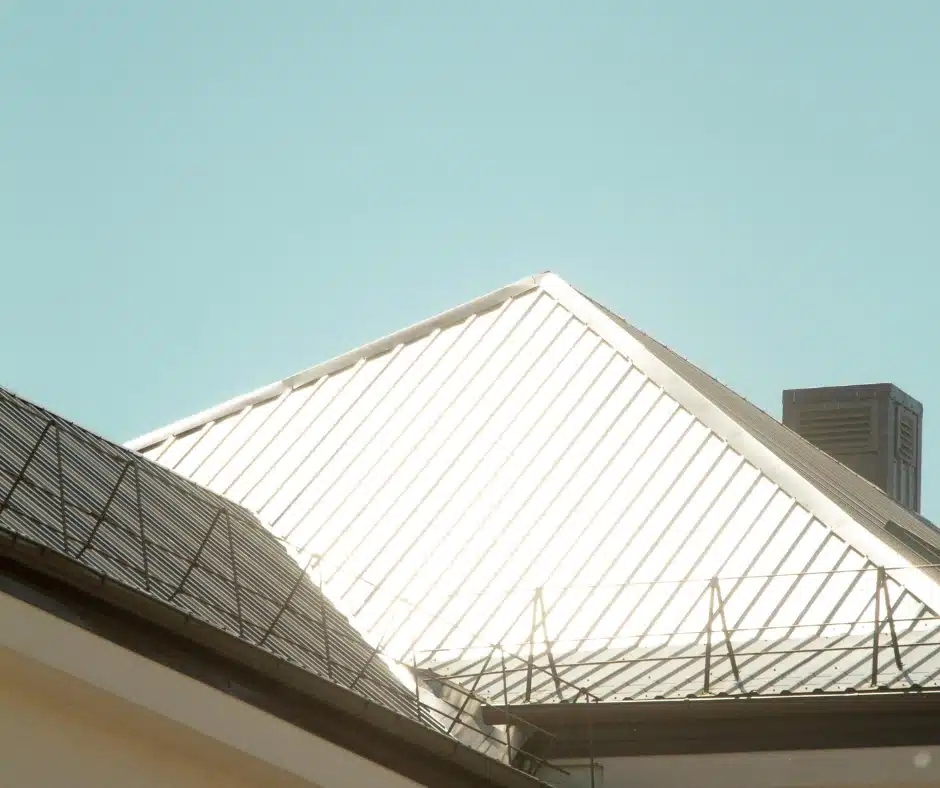
Other Materials: A Quick Look
Cedar shakes can last 20 to 25 years in Winnipeg with consistent upkeep, though they demand more maintenance than most homeowners expect and are prone to moisture damage in wet Prairie springs. Synthetic/recycled composite shingles are a newer option claiming 30 to 50-year lifespans in cold climates; an emerging category worth watching, though long-term Prairie data is still limited.
Why Winnipeg Climate Is So Hard on Roofs
Understanding why roofs wear out faster here helps you make better decisions about materials, maintenance, and timing.
The Freeze-Thaw Cycle: Winnipeg’s Biggest Roof Killer
Winnipeg experiences some of the most dramatic temperature swings in Canada. Mean January temperatures sit around −16°C, while July averages nearly 20°C but on extreme days, temperatures can plunge past −30°C in winter and climb above +35°C in summer. The real damage, however, happens in the shoulder seasons; fall and spring, when temperatures cross the freezing mark repeatedly within the same week or even the same day.
Every time water gets into a small crack in a shingle and then freezes, it expands. That expansion widens the crack. Then it thaws, contracts, and refreezes. Over hundreds of these cycles across a roof’s life, the damage adds up fast.
Hail: The Silent Shingle Destroyer
Southern Manitoba sits in a region that sees significant hail activity every summer. Even hailstones that seem small, the size of a pea or marble, can bruise asphalt shingles and knock off the protective granule coating.
Here’s what makes hail damage tricky: it often isn’t visible from the ground. A roof can look perfectly fine from the street while having dozens of impact points that have compromised its waterproofing. This is one reason why professional inspections after major storms are so important.
Ice Dams: A Winnipeg Winter Special
Ice dams form when heat from inside your home escapes through a poorly insulated or ventilated attic, melts the snow on your roof, and then that meltwater refreezes at the colder eaves. The resulting ice buildup forces water backward under your shingles and directly into your home.
Ice dams are responsible for a significant number of Winnipeg roof failures and interior water damage claims every year. The good news is they’re largely preventable with proper attic ventilation and insulation, something worth investing in alongside any new roof.
How to Reduce Ice Dam Risk
- Ensure your attic has adequate soffit and ridge venting
- Add attic insulation to keep the roof deck cold and consistent
- Ask your roofer specifically about ice and water shield membrane at the eaves
- Consider heated roof cables as a supplemental solution for problem areas

Factors That Affect How Long Your Specific Roof Will Last
Two identical roofs installed on the same street can have very different lifespans. Here’s what separates a roof that lasts 25 years from one that’s failing at 14.
Installation Quality
This is the single biggest variable. Even the best shingles fail early when installed by inexperienced crews cutting corners. Always hire a licensed, insured Winnipeg roofing contractor with verifiable local references. Ask specifically about their experience with Prairie climate conditions, ice and water shield application, and attic ventilation.
Annual Inspections and Maintenance
Most roofing professionals recommend a professional inspection at least once a year — ideally in the fall before winter sets in. Catching a cracked flashing, a lifted shingle, or early signs of granule loss can prevent a $200 repair from becoming a $5,000 interior water damage problem.
What a Roof Inspection Should Cover
- Condition of shingles (cracking, curling, granule loss)
- Flashing around chimneys, skylights, and vents
- Soffit and fascia condition
- Attic ventilation and insulation levels
- Signs of moisture or mold in the attic space
Attic Ventilation
This one gets overlooked constantly. A poorly ventilated attic traps heat in summer (cooking your shingles from below) and allows moisture buildup in winter (leading to mold, rot, and ice dams). Proper ventilation extends shingle life and is often a requirement for manufacturer warranties to remain valid.

Know the Signs: When It’s Time to Replace Your Roof
Sometimes the answer isn’t “maintain it longer”, it’s “replace it now before it fails completely.”
Here are the clearest signs your Winnipeg roof is past its prime.
Visible Warning Signs to Watch For
- Curling or cupping shingles. When the edges of shingles turn upward, or the centers start to cup downward, the material is breaking down. This is a late-stage warning sign.
- Granule loss. Asphalt shingles are coated in small granules that protect against UV and impact. When you start seeing granules collecting in your gutters or bare patches on shingles, the roof’s protective layer is wearing thin.
- Shingle cracking or missing pieces. Cracked, broken, or missing shingles leave your roof deck exposed. Even a single missing shingle can allow water infiltration during heavy rain.
- Daylight in the attic. If you can see daylight through your roof boards when standing in your attic, water can get in just as easily.
- Interior water stains. Brown stains on ceilings or walls near the top floor are a strong signal that water is already getting in somewhere.
The 20-Year Rule in Winnipeg
Here’s something many homeowners don’t know until it’s too late: many insurance companies in Manitoba are now flagging roofs that are 20 years or older.
Some insurers will refuse to renew a policy on a home with an aging roof, or will only offer coverage with a steep deductible. This is increasingly common as extreme weather claims have risen across the Prairies. Even if your 22-year-old roof looks okay on the surface, it may be quietly costing you your insurance premium or putting your coverage at risk altogether.
If your roof is approaching the 20-year mark, it’s worth calling your insurance provider to understand their current stance before you get a surprise at renewal time. Policies vary between insurers, so a direct conversation is always the safest move.

Impact-Resistant Shingles: A Smart Winnipeg Upgrade
If you’re getting a new asphalt roof, seriously consider Class 4 impact-resistant shingles. These are specially engineered to withstand larger hailstones without cracking or losing granules.
Beyond the performance benefits, many Manitoba insurers offer premium discounts ranging from 5 to 35% for homes with Class 4 rated shingles, depending on your provider and location. Over a 20-year policy period, those savings can meaningfully offset the slightly higher cost of the shingles themselves.
Making Your Roof Last as Long as Possible
Whatever material you choose, these habits will help you get the most years out of your investment.
- Get a professional inspection every fall before freeze-up
- Keep gutters clean so melt water can drain freely and not back up under shingles
- Trim overhanging tree branches that can scrape shingles or deposit debris
- Address small repairs immediately: a $150 flashing repair today prevents a $4,000 ceiling repair next year
- Improve attic ventilation if you’re frequently dealing with ice dams or moisture issues
Frequently Asked Questions
How long do asphalt shingles last in Winnipeg?
Most asphalt shingle roofs in Winnipeg last between 15 and 25 years. Standard 3-tab shingles tend to fall on the lower end of that range, while higher-grade architectural shingles can reach 25 years with proper maintenance. Winnipeg’s climate shortens lifespan compared to milder parts of Canada.
Is metal roofing worth the extra cost in Manitoba?
For most homeowners planning to stay long-term, yes. Metal roofs cost more upfront but last 40 to 70+ years, require less maintenance, handle hail and freeze-thaw cycles better than asphalt, and can qualify for insurance discounts. Over 40 years, the total cost is often comparable to or less than replacing asphalt twice.
How does Winnipeg’s climate affect my roof’s lifespan?
The main culprits are freeze-thaw cycles, hail, and ice dams. These forces accelerate shingle deterioration, crack sealants, and can force water under your roofing materials. Winnipeg’s climate is among the harshest in Canada for roofing, with extreme seasonal swings that put consistent stress on any material.
When should I replace my roof in Winnipeg?
If your roof is 20 years or older, showing visible wear (curling shingles, granule loss, leaks), or triggering insurance concerns, it’s time to get a professional assessment. Don’t wait for an active leak because by that point, water damage to your attic and interior has likely already begun.
Can I lose my home insurance because of my roof’s age?
It’s becoming more common. Some Manitoba insurers are declining renewals or adding conditions for homes with roofs older than 20 years. It’s worth contacting your provider proactively to understand their current policy before your renewal date — especially if your roof is in that 18 to 22-year range. Requirements vary by insurer, so always verify directly.
This guide is intended for general informational purposes. Roof lifespans vary based on installation quality, specific materials, maintenance history, and individual property conditions. For an assessment specific to your home, consult a licensed Winnipeg roofing contractor; the team at All Weather Exteriors has been serving Winnipeg homeowners for years and can provide an honest, expert evaluation of your roof’s condition and remaining lifespan.
Leave a Reply
You must be logged in to post a comment.