
Steam vs. Mechanical: How to Remove Ice Dams in Winnipeg the Safest Way

Ice dams form on Winnipeg roofs every winter. They block proper drainage, cause leaks, and damage your home’s exterior. If you spot one, you need to act fast.
But here’s the problem: most removal methods do more harm than good.
Homeowners grab shovels, axes, or hammers and start chipping away. This approach seems practical. It feels productive. And it creates serious, expensive damage that often voids your shingle warranty entirely.
The right approach is streaming. This is widely regarded as the safest and most effective professional ice dam removal method in Winnipeg. It solves the problem without damaging your roof.
In this guide, you’ll learn exactly how to remove ice dams safely in Winnipeg, why mechanical methods fail, and what professionals use to keep your roof intact.
TL;DR
- Ice dams in Winnipeg form quickly during freeze–thaw cycles and can cause leaks, structural stress, and costly interior damage if ignored.
- Mechanical removal with shovels, axes, or rakes cracks brittle shingles, voids manufacturer warranties, and often leads to expensive repairs and emergency service calls.
- Professional steam removal uses low-pressure, high-heat vapor to melt ice dams in about 1–3 hours without damaging shingles, flashing, gutters, or siding.
- While steam removal typically costs more up front than DIY, it is far cheaper than fixing shingle damage, water intrusion, or premature roof replacement.
- Long-term protection relies on prevention: upgrade attic insulation to about R-50, seal air leaks, improve ventilation, rake snow from eaves after storms, and add heat cables in problem areas.
What Ice Dams Actually Are in Winnipeg
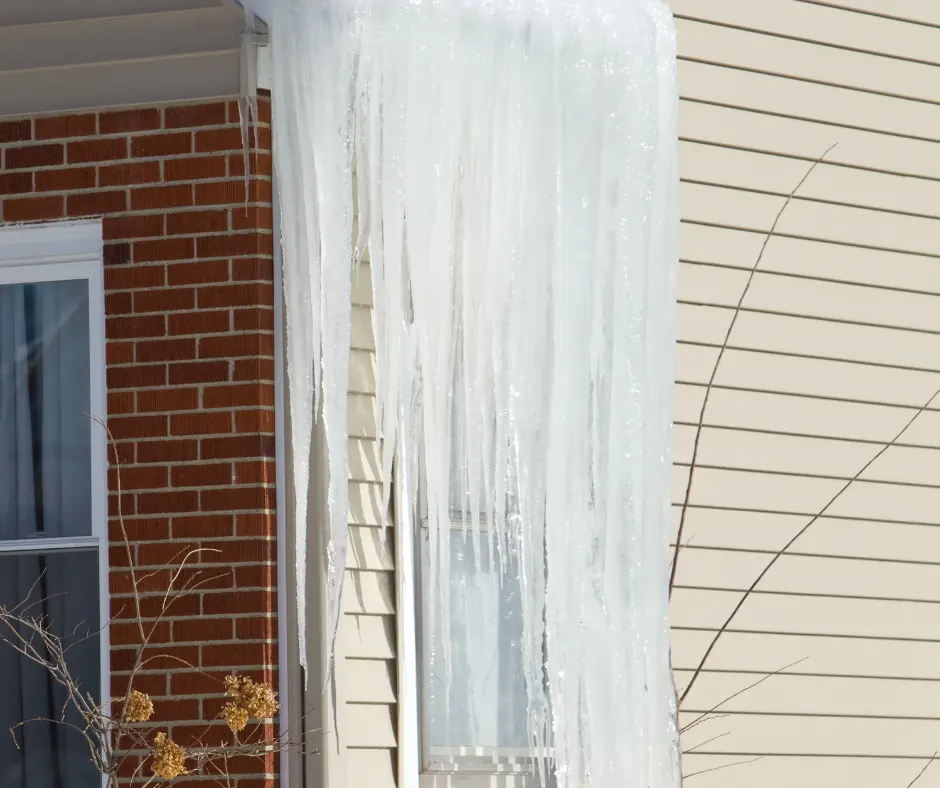
An ice dam is a ridge of ice that forms at the edge of your roof. It prevents melting snow from draining off properly.
Here’s how it happens:
Heat escapes through your attic. This process warms the roof surface above. Snow melts, runs down toward the eaves, then refreezes when it hits the cold overhang. Over time, this procedure creates a thick barrier of ice.
Water backs up behind the dam. It pools on your roof, seeps under shingles, and leaks into your home. You see water stains on ceilings, damaged insulation, and sometimes full interior flooding.
Winnipeg winters worsen this. We see temperature swings from –30°C to mild days near zero. This freeze-thaw cycle builds ice dams faster than most Canadian cities experience.
Ice dams in Winnipeg can often reach 15 to 30 centimeters thick, based on contractor reports. Some grow larger. They weigh hundreds of pounds and put stress on your gutters, fascia, and roof structure.
Why Mechanical Removal Damages Your Winnipeg Roof
When you use a hammer, axe, chisel, or similar tool to break up ice, you repeatedly strike your roof with force.
Asphalt shingles are not designed for this. They become brittle in cold weather. Temperatures below –15°C make shingles stiff and prone to cracking.
Here’s what happens during mechanical removal:
- You chip away ice. The tool hits the shingle surface. The impact cracks the shingle, breaks the seal, or tears off granules. These granules protect the asphalt from UV damage and weathering.
- Even if you’re careful, you can’t see where the ice ends and the shingle begins. You’re working blind. One wrong strike punches through the shingle or damages the underlayment.
Such an incident creates immediate problems:
Your warranty becomes void. Most asphalt shingle manufacturers explicitly state that using mechanical methods to remove ice voids the warranty. GAF, CertainTeed, and Owens Corning all have this clause. If your roof fails later, you will be responsible for the replacement costs.
You create new leak points. Cracked or punctured shingles let water penetrate. The very problem you’re trying to solve gets worse.
You damage flashing and underlayment. Metal flashing that surrounds chimneys, vents, and valleys can bend or tear when struck with a hammer. Underlayment rips. Water finds these openings fast.
Professionals see this damage constantly. Homeowners call after trying DIY ice dam removal. They need emergency repairs that cost more than professional ice dam removal would have.
How Professional Steam Removal Works
Steam removal uses low-pressure, high-temperature water vapor to melt ice dams gradually.
A professional technician uses a commercial steamer designed for roofing work. These machines heat water to approximately 120°C to 150°C and deliver it through a wand at low pressure.
The process looks like this:
The technician climbs onto your roof or works from a ladder. They direct steam at the ice dam in a controlled pattern. The heat melts the ice on contact. Water runs off the roof naturally.
This method removes ice without striking, scraping, or applying force. Your shingles stay intact. No granules come loose. No cracks form.
Steam removal takes longer than mechanical methods. A typical Winnipeg ice dam requires 45 to 90 minutes to remove completely. Larger dams take longer.
But the results protect your roof. You get complete ice removal with zero damage to shingles, flashing, or underlayment.
Why Steaming Meets Manufacturer Requirements
Most roofing manufacturers recommend nondestructive methods, such as steam removal, to protect warranty coverage.
Here’s why professionals use steam:
Shingles remain undamaged. Steam melts ice without physical contact. Your roof looks and performs exactly as it did before the ice dam formed.
You maintain the manufacturer’s warranty. Because no mechanical force touches the shingles, your warranty stays valid. This feature matters if you need to file a claim for wind damage, hail, or manufacturing defects.
The method addresses the root cause. Steam doesn’t just break off surface ice. It melts the entire dam, including ice trapped under shingles. This technique prevents immediate reformation.
It’s safer for workers. Technicians control the steam wand with precision. They don’t swing tools or apply force that could cause slips or falls on icy roofs.
You avoid secondary damage. Mechanical removal often dents gutters, bends downspouts, or damages siding. Steam keeps all exterior components intact.
Professional contractors in Winnipeg who specialize in ice dam removal use commercial-grade steamers. These aren’t the same as pressure washers or consumer steam cleaners. They’re built specifically for roofing applications and deliver consistent, safe heat.
Roof Rakes and Shovels: Prevention Only
Roof rakes and shovels are common tools homeowners use to prevent ice dams. They remove snow before it melts and refreezes.
This approach works as a prevention. It does not work for ice dam removal.
Once an ice dam forms, scraping with a rake or shovel creates the same problems as hammering:
You drag rigid plastic or metal across shingles. This motion removes granules. It scores the surface. Over time, the process accelerates shingle wear and reduces lifespan.
You can’t remove the ice itself. Rakes push snow, not ice. The dam stays in place. You create a false sense of progress.
You risk personal injury. Working on a ladder in winter conditions is dangerous. Falls from heights are the leading cause of workplace fatalities in construction, according to Manitoba’s Workers Compensation Board.
If you want to prevent ice dams, use a roof rake from the ground after each snowfall. Remove snow in the first 1.5 to 2 meters from the edge. This keeps the eaves clear and reduces meltwater.
But once ice forms, stop. Call a professional with steam equipment.
How Long Does Ice Dam Removal Take in Winnipeg?
Most ice dam removal jobs in Winnipeg take between one and three hours.
The timeline depends on several factors:
Ice thickness. A dam that’s 15 centimeters thick melts faster than one that’s 30 centimeters or more.
Roof pitch. Steep roofs are harder to access and require more careful positioning. This adds time.
Temperature. Colder days mean the steam has to work harder to melt ice. Warmer days accelerate the process.
Roof complexity. Multiple valleys, dormers, or complex rooflines take longer to treat completely.
A typical bungalow with a moderate ice dam takes about 90 minutes. It may take three to four hours for larger homes or severe dams.
Professionals work methodically. They don’t rush. Speed creates mistakes, and errors damage your roof.
Cost Comparison: DIY vs. Professional Steam Removal
Mechanical removal looks cheaper upfront. You might pay someone $150 to $300 to chip away ice with hand tools.
But the process creates hidden costs:
Shingle damage requires repair or replacement. Asphalt shingles cost $150 to $250 per square meter installed. If mechanical removal damages 10 square meters, you’re looking at $1,500 to $2,500 in repairs.
Voided warranty means you pay full price for future roof replacement. A typical Winnipeg home needs a new roof every 20 to 25 years. Without warranty coverage, that’s a $10,000 to $15,000 expense you absorb entirely.
Interior water damage from new leaks costs even more. Drywall repair, insulation replacement, and mold remediation run into thousands of dollars fast.
Professional steam removal costs more initially. Expect to pay $400 to $800 for most residential ice dam removal in Winnipeg. Complex jobs or severe ice dams cost $1,000 or more. This price includes proper equipment, trained technicians, and a result that protects your roof. You’re not paying for the time alone. You’re paying for expertise that prevents damage.
The math is simple: spend more now to protect your investment, or spend far more later fixing preventable problems.
Proven Ice Dam Prevention Strategies for Winnipeg Homes
Steam removal solves the immediate problem. Prevention keeps ice dams from coming back.
Here’s what works:
Improve attic insulation
Heat loss through your attic causes ice dams. Add insulation to reach R-50 or higher. This is the recommended value for Winnipeg’s climate zone. More insulation means less heat escapes, which means less melting snow.
Seal air leaks
Warm air finds gaps around light fixtures, plumbing stacks, and attic hatches. Seal these with spray foam or weatherstripping. Even small leaks add up.
Ventilate your attic properly
Good ventilation keeps the attic cold in winter. Install soffit vents, ridge vents, or gable vents to create airflow. The goal is to match the attic temperature to the outdoor temperature.
Remove snow after heavy storms
Use a roof rake from the ground. Clear the first 1.5 to 2 meters from the edge. This reduces the snow load that can melt and refreeze.
Install heat cable in problem areas
Electric heat cable runs along the eaves and through valleys. It melts channels for water to drain. This doesn’t stop ice dams completely, but it reduces their severity.
These steps work together. Insulation is the foundation. Ventilation supports it. Snow removal and heat cable provide backup during extreme weather.
Winnipeg sees an average of 114 centimeters of snow each winter. Some years bring more. Your roof needs to handle this load without creating ice dams.
When to Call Winnipeg Ice Dam Removal Professionals
You should call for professional ice dam removal as soon as you spot a dam forming.
Watch for these signs:
Icicles hanging from gutters. Small icicles are normal. Large icicles or rows of thick ice indicate a dam.
Ice buildup at the roof edge. Look for ridges of ice along the eaves or in valleys.
Water stains on interior ceilings or walls. This means water is already leaking into your home.
Sagging gutters or visible stress on the fascia. Ice dams add significant weight. Gutters pull away from the house or bend under the load.
Don’t wait for leaks to appear. By the time you see water inside, damage is already happening. Ice dams grow quickly during freeze-thaw cycles.
Professional removal stops the problem before it spreads. Technicians remove the dam, check for damage, and advise on prevention.

What to Expect: Steam Removal Appointment
When you schedule professional ice dam removal, here’s what happens:
- You call and describe the problem. The company inquires about the ice location, roof type, and whether you’re experiencing leaks.
- A technician arrives with steam equipment. This includes the steamer unit, hoses, and safety gear.
- They assess your roof. The technician identifies the dam size, checks for existing damage, and plans the safest approach.
- They set up and begin steaming. The process begins at the top of the dam and works its way down. Water runs off as ice melts.
- They clear drainage paths. This ensures melted ice flows into gutters and off the roof properly.
- They inspect the work. Before leaving, the technician checks that all ice is removed and drainage is clear.
The entire process is quiet and controlled. You don’t hear loud impacts or see debris falling. The problem is solved through steady, careful work.
FAQs on How To Remove Ice Dams on the Roof In Winnipeg
Can I use hot water instead of professional steam equipment?
No. Hot water from a hose or pressure washer doesn’t generate enough heat to melt ice dams effectively. It also adds weight and creates more ice as it refreezes. Professional steamers deliver dry, high-temperature vapor that melts ice without adding water volume. Using DIY hot water methods is slow, ineffective, and dangerous on icy roofs.
How much does it cost to remove an ice dam in Winnipeg?
Professional steam removal costs between $400 and $800 for most homes. Larger properties or severe ice dams can cost $1,000 or more. The price depends on ice thickness, roof size, and access difficulty. This cost is significantly less than repairing shingle damage, water leaks, or voided warranties caused by mechanical removal methods.
Will my insurance cover ice dam removal?
In most cases, homeowner insurance policies in Manitoba do not cover ice dam removal itself. Coverage varies by provider, but insurers such as Wawanesa and Intact may cover interior water damage caused by ice dams, depending on your policy. Check your specific coverage details. Prevention and removal are typically considered maintenance, which is your responsibility. However, investing in professional removal prevents far more expensive claims later.
Protect Your Winnipeg Roof Investment
Ice dams form fast in Winnipeg winters. They cause real damage if left untreated.
The method you choose for removal matters more than speed. Mechanical tools void warranties, crack shingles, and create expensive repair needs. Steam removal protects your roof while solving the problem completely.
When you need ice dam removal in Winnipeg, look for contractors who use professional steam equipment. Ask about their process, safety protocols, and warranty protection. Make sure they understand how to remove ice without damaging your shingles.
But prevention is always better than emergency removal. That’s where All Weather Exteriors comes in. We help Winnipeg homeowners address the root causes of ice dams through proper attic insulation, ventilation upgrades, and roof maintenance. Our team identifies weak points in your roof system before winter hits and creates solutions that keep ice dams from forming in the first place.
If you’re dealing with recurring ice dam problems, or if you want to prevent them before they start, contact All Weather Exteriors today. We’ll assess your roof, attic insulation, and ventilation system to build a long-term prevention plan. Your roof will stay protected all winter long.
Leave a Reply
You must be logged in to post a comment.