
Emergency Roof Leak in Winnipeg: What to Do Right Now

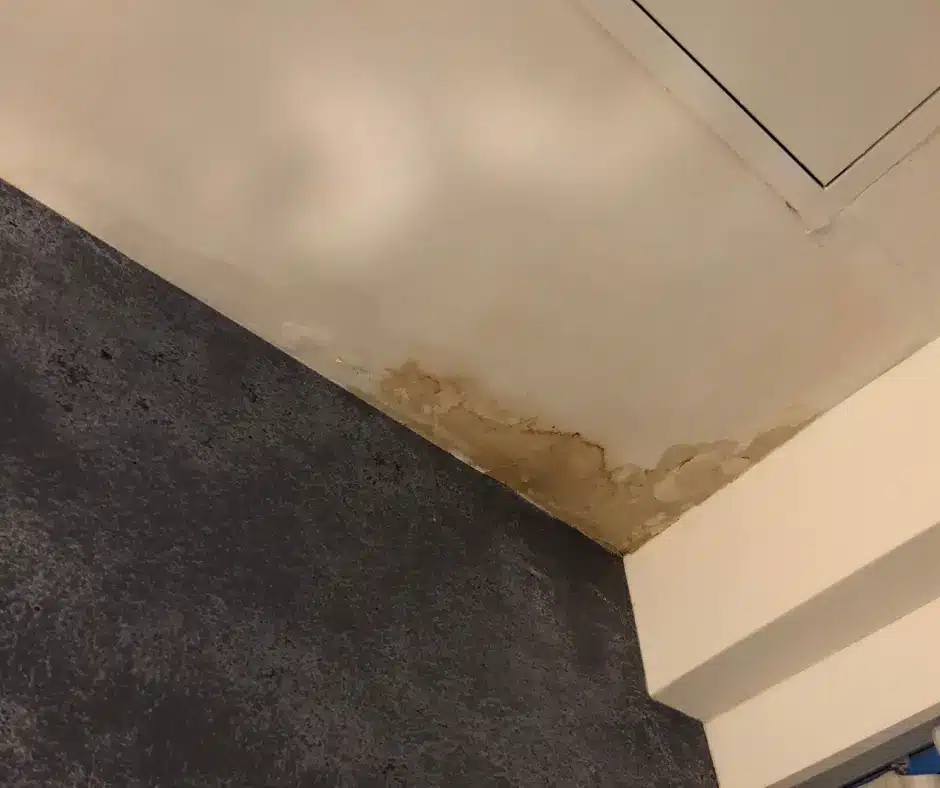
You hear dripping. You see a brown stain spreading across your ceiling. You have a roof leak, and you need to act fast.
Water damage moves quickly. Every minute counts when your roof is compromised. Whether you spotted a small drip or you’re watching water pour into your living room, you need a plan right now.
This guide walks you through the immediate steps to protect your property, explains what causes leaks in Winnipeg’s harsh climate, and shows you when to call for professional repairs. You’ll learn how to minimize damage, what repairs actually cost, and how to prevent this from happening again.
TL;DR
- Stop the leak’s damage immediately by placing buckets and tarps.
- Document everything with photos.
- Contact a professional roofer as soon as business hours allow, or handle emergency containment yourself if the leak occurs overnight or on weekends.
- Most Winnipeg roof leaks stem from ice dams, damaged shingles, or failed flashing.
- Small repairs cost $150-$400, while larger fixes run $500-$1,200.
- Never delay professional assessment once contractors are available.
Immediate Steps to Minimize Water Damage
You need to protect your home before a professional arrives. Here’s what to do in the first hour after discovering a leak.
Contain the Water Inside Your Home
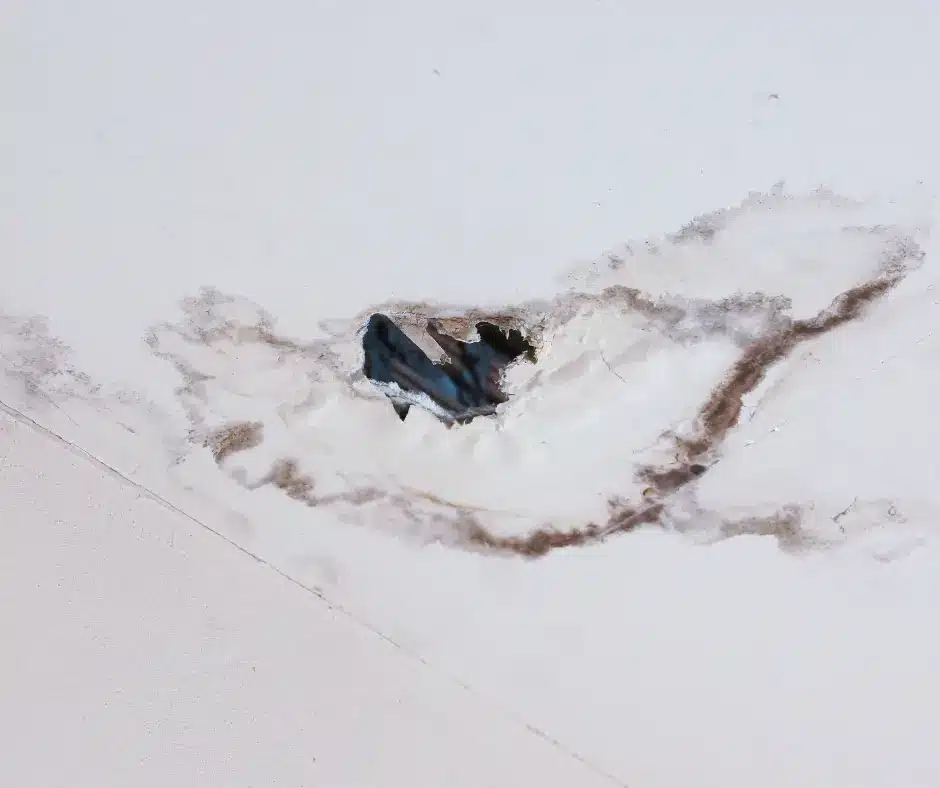
Place buckets or containers under active drips. Move furniture, electronics, and valuables away from wet areas. If water is pooling on your ceiling, poke a small hole in the bulge with a screwdriver to create a controlled drip point. This prevents a larger ceiling collapse.
Cover floors with plastic sheeting or old towels. Water spreads faster than you think. A leak in your attic can travel down walls and appear in rooms far from the original entry point.
Turn off electricity to affected rooms if water is near outlets or light fixtures. Check your breaker box and flip the switches for those areas. Water and electricity create dangerous situations.
Document Everything for Insurance
Take photos and videos of the leak from multiple angles. Capture the water damage on ceilings, walls, and floors. Show where water is entering from the outside if you can access that area safely.
Note the date and time when you first noticed the leak. Write down the weather conditions at the time. Was there heavy rain? Melting snow? Recent hail? Insurance adjusters need this information.
Keep receipts for emergency supplies like tarps, buckets, and fans. Save invoices from professional services. Most insurance policies cover emergency mitigation costs.
How to Safely Tarp a Leaking Roof
Only attempt this if conditions are safe. Never climb on a roof during rain, snow, or ice. Wait for clear, dry weather if possible.
You’ll need a heavy-duty tarp (at least 6 mil thickness), 2×4 boards, and roofing nails or screws. The tarp should extend at least 4 feet beyond the damaged area on all sides.
Spread the tarp over the leak. Position it so water flows over the tarp, not under it. Secure one edge under shingles if you can lift them safely. Place 2×4 boards along the tarp’s edges and anchor them down. This prevents wind from tearing the tarp away.
For steep roofs or winter conditions, this work requires professional help. Your safety matters more than a temporary fix. If you’re uncomfortable on a ladder or the weather is poor, focus on interior containment until you can get professional assistance.
When to Call a Professional Roofer in Winnipeg
Contact a roofing company first thing during business hours for any visible leak, even small drips. What looks minor often indicates larger hidden damage. A single wet spot on your ceiling could mean gallons of water trapped in your insulation.
If a leak starts overnight, on weekends, or during holidays, focus on interior damage control. Place buckets, move valuables, and document the damage. Then call a contractor at the earliest opportunity. Most roofing companies check voicemail and email regularly, even during off-hours, and will prioritize urgent calls when they open.
You need a professional assessment within 24-48 hours for any active leak. The sooner a trained eye examines your roof, the faster you get permanent repairs scheduled.
Winter leaks require specialized repair techniques that most homeowners can’t safely perform. Ice and snow make leaks worse fast. Contact a contractor experienced with Manitoba’s climate as soon as possible.
Choose a licensed, insured contractor with Winnipeg experience. All Weather Exteriors has worked in Manitoba’s climate for years. We understand how local weather affects roofs differently from warmer regions. Call us during business hours, and we’ll schedule your inspection promptly. For leaks discovered outside business hours, protect your interior space and reach out to us first thing in the morning.
Common Causes of Roof Leaks in Manitoba
Winnipeg’s weather creates unique challenges for roofs. Understanding what causes leaks helps you prevent them and recognize problems early.
Ice Dams and Winter Freeze-Thaw Cycles
Ice dams form when heat escapes through your roof, melting snow. The water runs down to your cold eaves and refreezes. This ice buildup forces water back under your shingles.
Winnipeg temperatures can swing from -30°C to +5°C within days during spring and fall. These freeze-thaw cycles stress roofing materials. Shingles expand and contract. Nails work loose. Small gaps become entry points for water.
Your attic temperature matters. It should stay close to the outdoor temperature. If your attic feels warm in winter, heat is escaping. That heat melts snow on your roof and creates ice dams.
Proper attic insulation (R-50 minimum for Winnipeg) and ventilation prevent most ice dam problems. Your attic needs both soffit vents and ridge vents to maintain airflow. This keeps your roof deck cold and prevents snow melt.
Hail Damage and Missing Shingles After Summer Storms
Winnipeg sees severe summer storms. Hail events in June and July 2023 damaged thousands of roofs across the city. Hailstones larger than 2 cm can crack shingles, knock off granules, and create impact points where water enters.
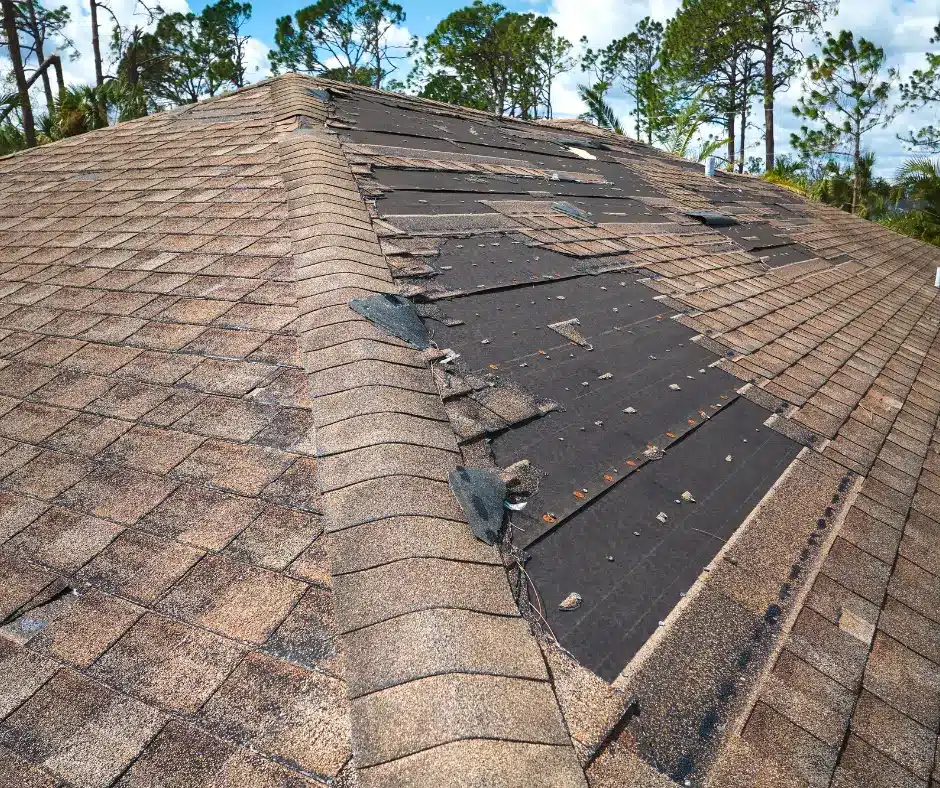
Wind speeds during storms can exceed 90 km/h. These winds lift shingle edges and sometimes tear them completely off. A roof missing even one shingle has a vulnerable spot where rain can penetrate.
Check your roof after every major storm. Look for missing or damaged shingles, dented flashing, and granules collecting in your gutters. Dark spots on shingles indicate lost protective coating.
Most hail damage isn’t obvious from the ground. Professional inspections after storms help you catch damage before it causes leaks. Many insurance policies cover storm damage if you file claims within one year of the event.
Clogged Gutters and Downspout Backups
Your gutters direct water away from your roof edge and foundation. When leaves, twigs, and debris block them, water backs up. This standing water works its way under shingles at the roof edge.
Winnipeg’s mature tree canopy means most homes deal with significant leaf accumulation. Fall brings heavy leaf drop. Spring adds seed pods and helicopter seeds from maple trees.
Clean gutters twice yearly at a minimum. Once in late fall after leaves drop, and again in late spring after seed season. Homes near large trees may need quarterly cleaning.
Downspouts must direct water at least 6 feet from your foundation. Extensions that dump water right at your house create problems. Water can pool, freeze, and cause leaks where your roof meets your walls.
How to Find the Source of a Leak
Water travels. The spot where you see damage inside rarely sits directly under the entry point on your roof. You need to trace the water’s path.
Checking for Attic Water Stains
Go into your attic during daylight. Look for water stains on the underside of your roof deck. Fresh stains appear dark and damp. Old stains look brown or gray.
Follow the stain upward. Water flows downhill along rafters and sheathing before dripping. The actual roof penetration sits higher than the stain, usually along the path the water traveled.
Check for daylight coming through your roof boards. Even pinhole-sized gaps can let in water. Mark these spots so you can find them from outside.
Look at your insulation. Wet or compressed insulation indicates current or recent water problems. Mold growth on wood surfaces means long-term moisture issues that need immediate attention.
Inspecting Chimney Flashing and Skylights
Flashing seals the gaps where your chimney meets your roof. This metal barrier prevents water from entering. Failed flashing is one of the most common leak sources in older Winnipeg homes.
Check where metal flashing meets brick or siding. Look for rust, gaps, or missing sections. Flashing should overlap shingles correctly, with upper pieces covering lower pieces so water flows down and out.
Skylights require proper flashing and sealing. Water can enter around the frame if caulking fails. Check the skylight’s uphill side first. That’s where water hits and penetrates most often.
Roof valleys, where two slopes meet, concentrate water flow. These areas take more abuse than flat sections. Valley flashing must be intact and properly installed. Missing or damaged valley flashing causes major leaks during heavy rain.
Cost of Roof Leak Repair in Winnipeg (2025-2026 Estimates)
Repair costs vary based on leak severity, roof accessibility, and materials needed. Here’s what you can expect to pay.
Small roof leak repairs like replacing a few shingles or resealing flashing typically cost $150 to $400. These jobs take 1-2 hours and require minimal materials.
Medium repairs involving multiple shingle rows, valley repairs, or chimney flashing replacement run $500 to $1,200. These projects take half a day and may require specialized materials.
Large repairs addressing structural damage, replacing entire roof sections, or fixing multiple problem areas cost $1,500 to $5,000. Extensive water damage to the roof decking adds to the bill.
Priority scheduling for urgent leaks may carry additional service fees. When you need repairs completed quickly to prevent ongoing damage, expect to discuss timeline options and associated costs with your contractor.
Winter repairs cost more than summer work. Cold-weather materials and techniques increase both labor and material expenses. Some repairs can’t be done properly below certain temperatures and must wait for spring.
Repair vs. Replacement: Making the Right Choice
Sometimes patching a leak doesn’t make financial sense. You need to know when repairs waste money and when replacement is the better investment.
When Repair Makes Sense
- Your roof is less than 15 years old, and the leak is isolated. One damaged area doesn’t mean your entire roof has failed.
- The leak stems from a specific event like storm damage or a fallen branch. These isolated incidents don’t indicate widespread failure.
- Your roof shows no other signs of wear. If shingles look good, lie flat, and retain granules everywhere except the damaged spot, repair is appropriate.
- You plan to sell within 3-5 years and need to fix obvious problems without major investment. Repairs address immediate issues and protect your home until sale.
When Replacement Is the Better Option
- Your roof is 20+ years old. Asphalt shingles last 20-25 years in Winnipeg’s climate. Past that age, repairs are temporary fixes on a failing system.
- You see multiple problem areas. Three leaks this year suggest widespread deterioration. Repairing one spot while others fail wastes money.
- Your shingles show extensive granule loss, curling edges, or missing tabs across the roof. These signs indicate the entire roof is reaching the end of its life.
- Energy bills have increased, and your attic shows poor insulation. Replacement lets you upgrade insulation and ventilation while addressing the roof covering.
- Your insurance company flags your roof age. Many insurers won’t renew policies or will increase premiums significantly for roofs over 20 years old. Replacement can actually lower your insurance costs.
Prevention: Protecting Your Winnipeg Roof
Prevention costs far less than repairs. Regular maintenance catches small problems before they become expensive emergencies.
Schedule professional inspections twice yearly. Spring inspections after the ice and snow season catch winter damage. Fall inspections before harsh weather prepare your roof for winter.
Keep trees trimmed back from your roof. Branches rubbing against shingles wear away protective granules. Overhanging limbs drop debris that clogs gutters and traps moisture.
Address small issues immediately. A lifted shingle costs $5 to replace now. That same spot causes hundreds of dollars in damage if ignored for six months.
Maintain proper attic ventilation and insulation. This single step prevents ice dams, reduces energy costs, and extends your roof’s life by years. Winnipeg building code requires R-50 attic insulation. Many older homes fall short of this standard.
Monitor your roof after every significant weather event. Hail, high winds, and heavy snow all stress your roof. Quick inspections let you catch and document damage while it’s fresh.
Why All Weather Exteriors for Your Roof Leak
We’ve served Winnipeg property owners for years. We understand Manitoba’s climate and how it affects roofs differently from milder regions.
Our team prioritizes leak repairs because we know water damage compounds quickly. When you call during business hours, we’ll schedule your inspection and assessment as soon as our calendar allows. We move urgent repairs to the front of the queue whenever possible.
We provide transparent pricing before starting work. You’ll know what repairs cost and why they’re necessary. No surprise charges, no hidden fees.
Our crews work year-round in Winnipeg conditions. We use cold-weather materials and techniques when needed. We know which repairs can wait for warmer weather and which need immediate attention.
We handle insurance claims regularly. We’ll document damage properly, provide detailed estimates, and work with your adjuster to get your claim approved.
Every repair includes a warranty. We stand behind our work because we use quality materials and employ experienced roofers who know Winnipeg’s building requirements.
Call us during business hours, and we’ll get you scheduled quickly. If you discover a leak outside our operating hours, secure your interior space and contact us first thing when we open. We check messages regularly and respond promptly to urgent situations.
Frequently Asked Questions About Roof Leaks
How do I find a roof leak in my house in Winnipeg?
Start in your attic during daylight. Look for water stains on the underside of roof boards, wet insulation, or spots where daylight shows through. Follow water stains upward along rafters to locate the entry point. The leak’s source sits higher than where you see water damage inside. Check areas around chimneys, skylights, and roof valleys first. These spots fail most often. If you can’t locate the source safely, call a professional. All Weather Exteriors uses specialized tools like moisture meters and thermal imaging to find hidden leaks.
How much does roof leak repair cost in Winnipeg?
Small repairs like flashing fixes or replacing a few shingles cost $150 to $400. Medium repairs involving valley work or chimney flashing run $500 to $1,200. Large repairs addressing structural damage or multiple problem areas cost $1,500 to $5,000. Urgent repairs that require priority scheduling may include additional service fees. Winter repairs cost more due to specialized materials and techniques. Get multiple quotes and ensure each includes a detailed breakdown of labor and materials. Insurance often covers leak repairs if damage resulted from a covered event like hail or wind.
Can I fix a roof leak myself?
Temporary fixes like placing tarps or applying emergency sealant can stop immediate damage. However, permanent repairs require professional work. Climbing on roofs involves serious safety risks, especially during wet or icy conditions common in Winnipeg. Improper repairs can void warranties and create bigger problems. Most DIY fixes fail within months because they don’t address the underlying cause. Professional roofers have safety equipment, proper materials, and knowledge of building codes. They also spot related damage you might miss. Save DIY efforts for temporary measures until a professional can make permanent repairs.

Protect Your Investment
Your roof protects everything inside your home. Water damage from leaks destroys insulation, ruins ceilings and walls, damages belongings, and creates conditions for mold growth.
Fast response minimizes damage. Contact a professional roofing company as soon as you can. What starts as a small ceiling stain becomes a major restoration project if ignored.
All Weather Exteriors stands ready to help. We’ll assess your leak, stop the damage, and provide a clear plan for permanent repairs. We’ll explain your options, give you honest pricing, and respect your property throughout the process.
Don’t let a small leak become a major disaster. Call us during business hours for a free inspection and estimate. If you discover a leak when we’re closed, secure your interior and reach out to us first thing in the morning. We’ll protect your home and give you peace of mind, no matter what Winnipeg’s weather throws at your roof.
Contact All Weather Exteriors today. Your roof leak won’t fix itself, but we can fix it for you.
Leave a Reply
You must be logged in to post a comment.