
Why Are My Shingles Blistering or Curling? Pinpointing the Cause of Premature Roof Failure
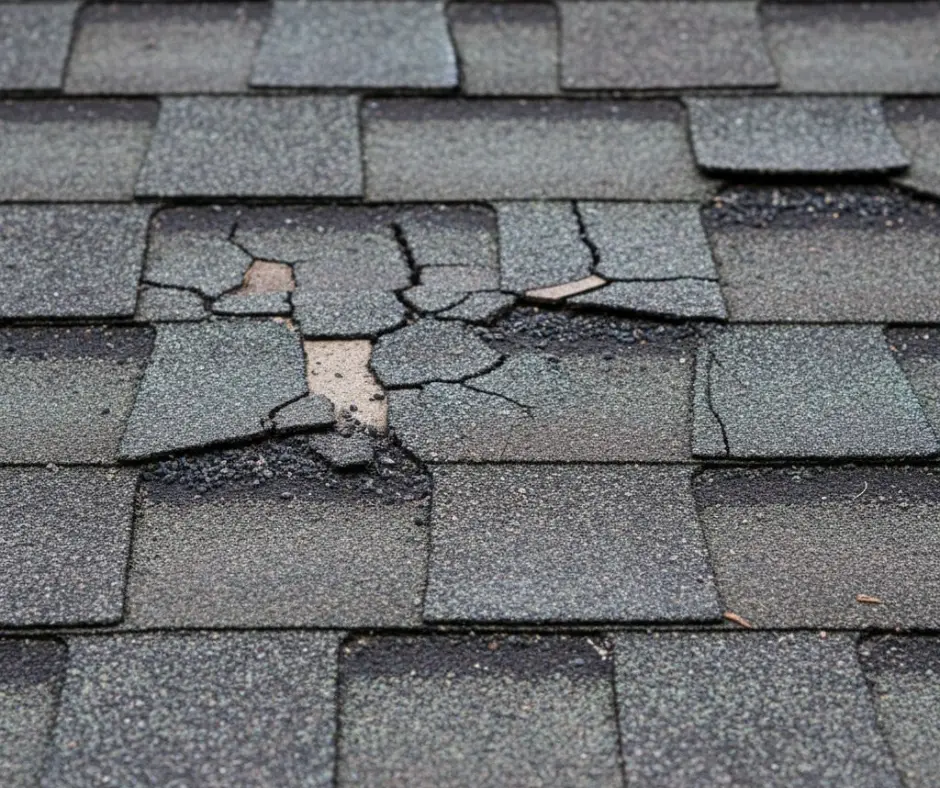
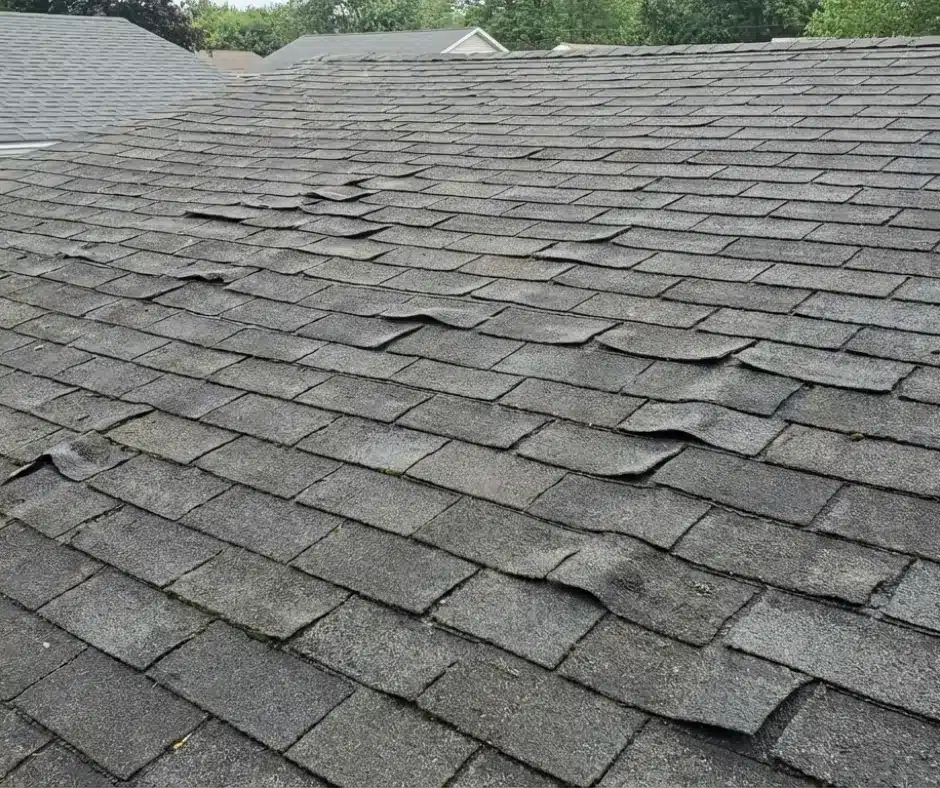
You walk outside and notice something off about your roof. The shingles look bumpy, raised in places they shouldn’t be. Or maybe the edges are curling upward like dried leaves. Either way, your roof looks older than it should.
Shingles blistering and curling are not normal aging. These problems signal more profound issues that can cut your roof’s life short by 10 to 15 years. Most asphalt shingle roofs in Winnipeg should last 20 to 25 years. When you see blistering or curling before that mark, something went wrong during installation, or your attic environment is working against you.
At All Weather Exteriors, we diagnose these problems daily across Winnipeg properties. The positive news is that once you understand what causes shingles blistering and asphalt shingle curling, you can prevent further damage and make informed decisions about repair or replacement.
TL;DR
- Shingle blistering and curling are early warning signs of premature roof failure, often cutting roof life by 10–15 years if ignored.
- The main culprits are poor attic ventilation, improper installation, trapped moisture, and shingles not designed for Winnipeg’s extreme climate.
- Blistered or curled shingles quickly lead to leaks, deck rot, insulation damage, and costly interior repairs if not addressed.
- Homeowners should document damage, book a professional roof and attic inspection, and fix root causes (ventilation, installation, materials).
- Tackling issues early with a qualified Winnipeg roofer can turn a small repair into long-term protection instead of a future emergency replacement.
Understanding Shingle Blistering
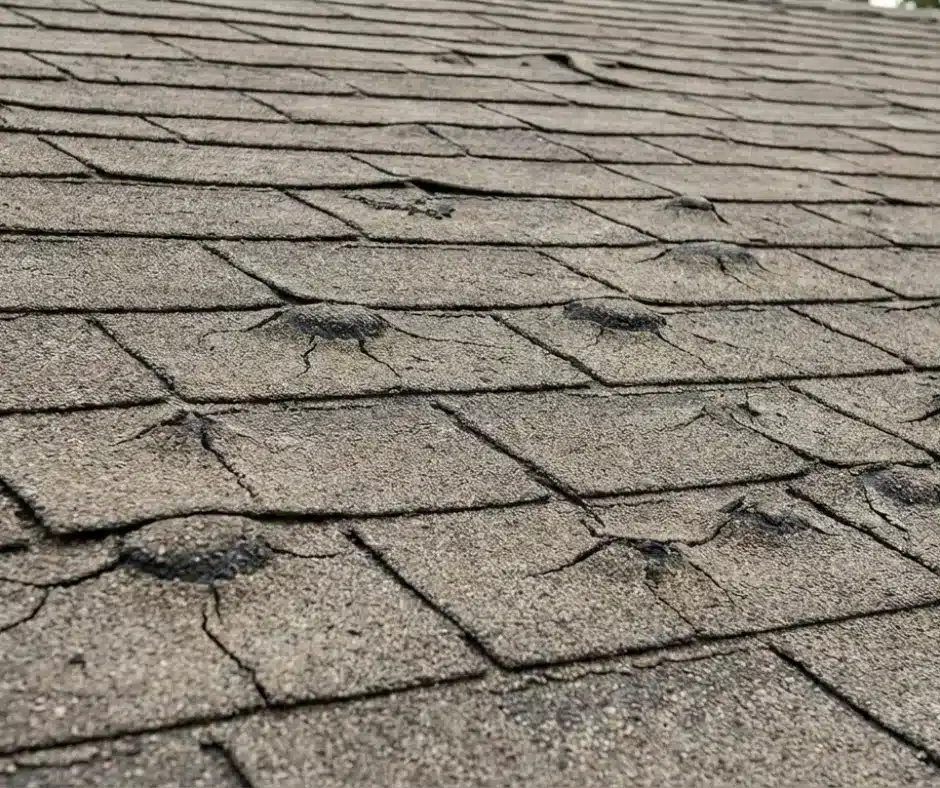
Blisters appear as raised bubbles or bumps on the shingle surface. They form when moisture gets trapped inside the shingle layers. As temperatures rise, that trapped moisture turns to vapor and creates pressure. The result is a blister that looks like a bubble on the shingle face.
These blisters can be small, about the size of a quarter, or they can cover several inches. When blisters break open, they expose the underlying material to UV rays and water. This procedure speeds up deterioration significantly.
What Causes Blistering in Asphalt Shingles
Manufacturing defects cause some blistering, but most cases trace back to three main factors.
Moisture trapped during installation: If your roofer installed shingles on a damp roof deck or during high humidity without proper drying time, moisture got sealed beneath the shingles. Summer heat then turns that moisture into vapor, creating pressure that forms blisters. This problem shows up within the first 1–3 years after installation.
Poor attic ventilation: Your attic needs proper airflow to regulate temperature and humidity. The standard requirement is 1 square foot of ventilation per 150 square feet of attic space, or 1 per 300 square feet if you have a vapor barrier and balanced intake and exhaust vents. Without adequate ventilation, heat and moisture build up in your attic. That heat radiates through the roof deck and into your shingles, causing moisture within the shingles to vaporize and blister.
Excessive attic heat: Winnipeg summers can push attic temperatures above 65°C when ventilation fails. This extreme heat bakes your shingles from below. The asphalt softens, and any moisture present turns to vapor. Blisters form as a result. This condition typically affects the south- and west-facing slopes first, as they receive the most direct sun exposure.
Recognizing Shingle Curling
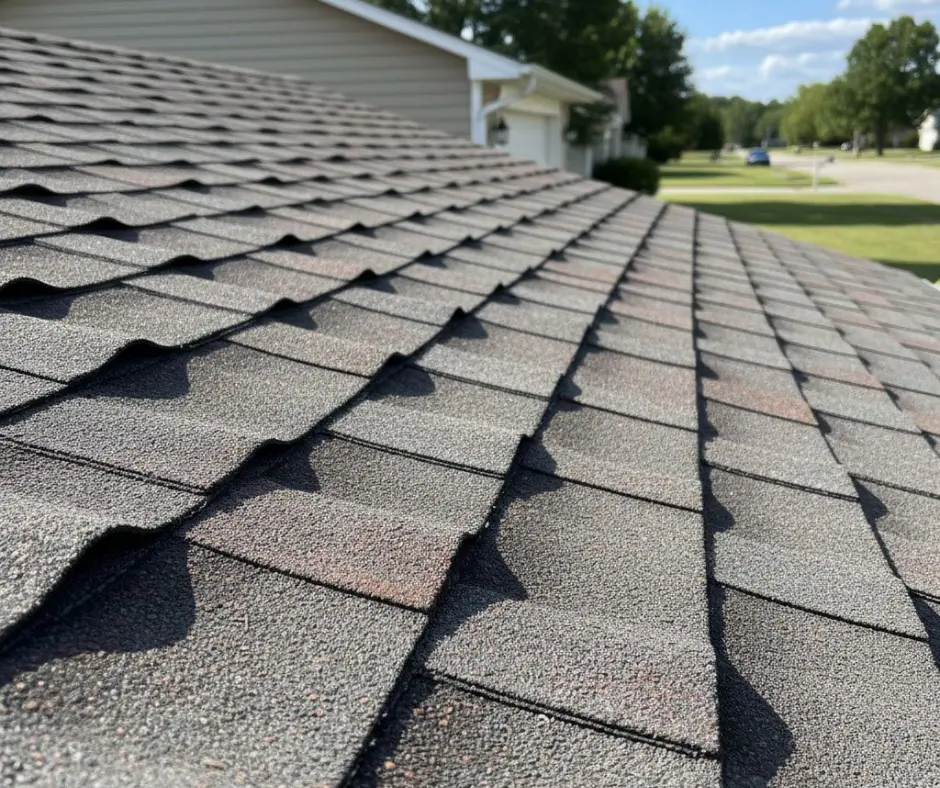
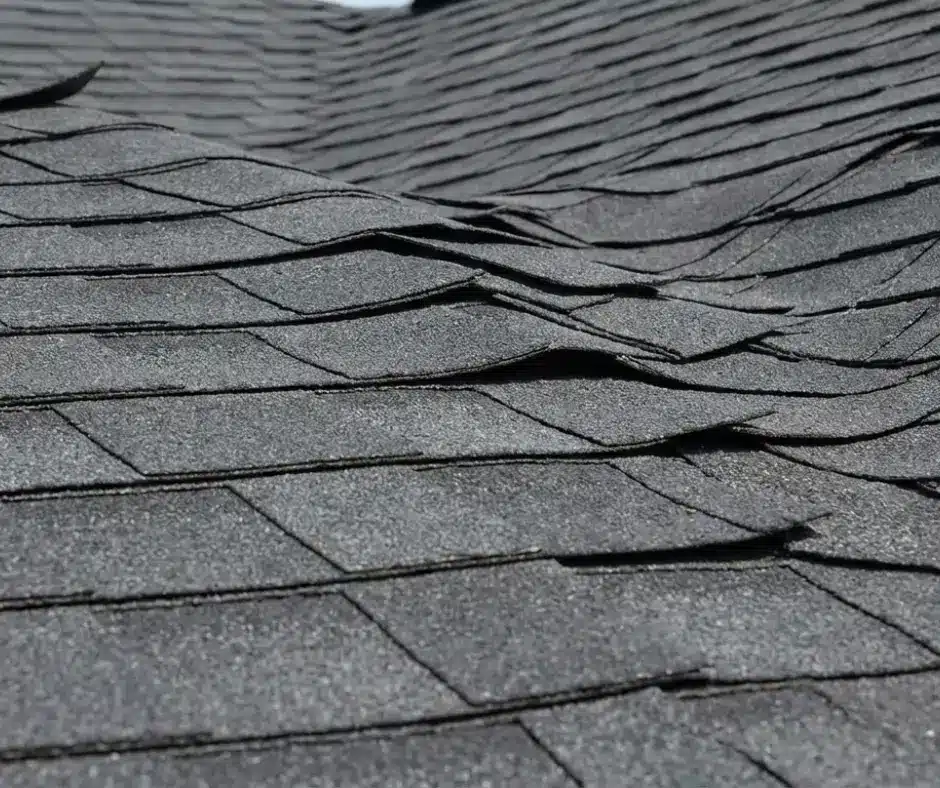
Curling happens when shingle edges lift up, or the center of the shingle rises while the edges stay flat. You’ll see two main types.
Edge curling: The shingle edges turn upward, away from the roof deck. This creates gaps where wind-driven rain can enter.
Cupping: The shingle center rises while the edges remain down, creating a concave shape. This also allows water infiltration.
Both types leave your roof vulnerable to wind damage. Curled shingles catch wind like sails. During Winnipeg’s strong spring winds, which can reach 50 to 70 km/h during typical storms, curled shingles tear off easily.
Primary Causes of Asphalt Shingle Curling
Several factors cause shingles to curl, and they often work together to create premature roof failure.
Insufficient attic ventilation: Poor airflow in your attic creates a heat trap. This excess heat causes shingles to dry out unevenly. The bottom of the shingle heats up more than the top, creating tension. This tension causes the shingle to curl. Ridge vents paired with soffit vents provide the best airflow, creating a natural convection current that pulls hot air out and draws cool air in.
Improper installation: Nailing shingles too high, too low, or at the wrong angle causes mechanical stress. Each shingle has a nail line marked by the manufacturer, typically 12 to 15 cm from the bottom edge. Nails placed outside this zone don’t secure the shingle properly. The unsecured portions then lift and curl. Using too few nails per shingle, typically 4 to 6, depending on roof pitch and wind exposure, also leads to curling.
Moisture absorption: Shingles absorb moisture from persistent leaks, ice dams, or humid attic air. As they absorb water, they swell. When they dry out, they contract. This cycle of expansion and contraction causes the shingle to lose its flat shape and curl. This problem often appears on north-facing slopes first, as they stay damp longer.
Age and weathering: Even properly installed shingles eventually lose volatile oils from the asphalt. This makes them brittle and prone to curling. However, this natural aging should take 18 to 22 years in our climate. If you see curling before year 15, installation or ventilation problems are likely.
Wrong shingle choice for climate: Not all asphalt shingles handle Winnipeg’s temperature swings equally. We see temperatures ranging from -35°C in the winter to +30°C in the summer. That’s a 65-degree swing. Shingles rated for milder climates break down faster here. Look for shingles with a Class 4 impact rating and designed for severe weather zones.
How Ventilation Problems Accelerate Roof Damage
Most premature roof failure connects back to attic ventilation. Your attic acts as a buffer zone between your living space and the outdoor environment. When this buffer fails, your roof pays the price.
The Winter Problem
In winter, warm air from your home rises into the attic. Poor ventilation prevents this warm, moist air from reaching its destination. It condenses on the cold roof deck and shingles. This condensation freezes, then melts, then freezes again. The cycle damages both the deck and the shingles.
Ice dams form when this warm attic air melts snow on your roof. The water runs down to the cold eaves and refreezes. This creates a dam that backs water under your shingles. Winnipeg sees significant ice dam issues because we get consistent cold temperatures, often below -20°C for weeks at a time, combined with periodic warming.
The Summer Problem
Poor ventilation in summer creates an oven effect. Heat builds up with no escape route. Your attic can reach 65 to 70°C on a sunny day. This heat cooks your shingles from below, causing the problems we covered earlier.
The solution requires both intake vents at the eaves and exhaust vents at the ridge. This creates continuous airflow. Cool air enters at the bottom, warms as it rises, and exits at the top. The system works through natural convection; no power is needed.
Installation Errors That Shorten Roof Life
Even the best shingles fail early when installed incorrectly. We see these mistakes regularly during roof inspections.
Incorrect nail placement: Nails driven too high don’t secure the shingle tabs. Wind passes under them and lifts them. Nails driven too low create holes in the exposed part of the shingle. Water enters through these holes. The correct nail zone is 2.5 to 3 cm above the shingle tabs, placed in the adhesive strip area.
Missing or damaged underlayment: The underlayment provides a second defense layer beneath shingles. Skipping it or using damaged material allows water to reach the deck directly when shingles fail. The Manitoba building code requires underlayment on all roof slopes, with ice and water shields mandatory at the first 2 meters from the eaves.
Improper overlap: Shingles must overlap correctly to shed water. Each course should overlap the one below by at least 5 cm. Too little overlap creates pathways for water. We measure this during every inspection.
Wrong fasteners: Using staples instead of roofing nails, or nails that are too short, prevents proper attachment. Roofing nails should penetrate the shingle and at least 19 mm into the deck. In high-wind areas of Winnipeg, especially near open fields or the Red River, you need 6 nails per shingle instead of the standard 4.
Installing over wet surfaces: Laying shingles on damp decking or existing shingles that haven’t dried traps moisture. This causes blistering within 1 to 2 years. Professional installers check the moisture content and wait for proper conditions.
What To Do When You Notice Blistering or Curling
First, document what you see. Take photos at ground level and note which parts of your roof show damage. Search for patterns. Does the damage appear mainly on south-facing slopes? Is it concentrated near the ridge or along the edges?
Second, schedule a professional inspection. At All Weather Exteriors, our inspections examine not just the visible damage but also the attic conditions, ventilation system, and installation quality. We check attic temperatures, look for moisture stains, measure ventilation openings, and inspect shingle attachment.
Third, understand your options. Minor blistering that hasn’t broken open may not require immediate action if your roof is otherwise sound. However, widespread blistering, open blisters, or significant curling usually mean you need a replacement sooner rather than later.
Fourth, address the root cause. If poor ventilation is the problem, we fix it before installing your new roof. Adding ridge vents, soffit vents, or both ensures your next roof lasts its full expected life. If installation errors caused the failure, proper installation the second time around prevents repeat problems.
Preventing Problems on Your Next Roof
When you invest in a new roof, protect that investment with these steps.
Select experienced contractors who are familiar with Winnipeg’s climate. Ask about their ventilation strategy. A good contractor discusses attic airflow before talking about shingle color.
Verify proper installation practices. Your contract should specify roofing nails, not staples. The text should include information about the ice and water shield at the eaves and valleys. It should address ventilation improvements if needed.
Select shingles rated for our climate. Look for Class 4 impact resistance and wind ratings of at least 177 km/h. Architectural shingles typically outlast 3-tab shingles by 5 to 8 years in our weather.
Plan installation timing carefully. The best window runs from May through September, when temperatures stay consistently above 15°C. This allows shingles to seal properly. Some manufacturers require minimum temperatures of 7°C for installation. Cold-weather installations risk poor adhesion and future problems.
Maintain proper attic insulation. Manitoba code requires R-50 in attics. Proper insulation keeps warm air in your living space, not your attic. This reduces condensation risk and helps prevent ice dams.
Signs You Need Professional Help Now
Some situations require immediate attention. Contact a roofing contractor within days if you notice:
- Open blisters exposing black underlayment or wood
- Multiple shingles curling on the same section of the roof
- Granules washing into gutters in large quantities
- Visible daylight through the roof boards from your attic
- Water stains on attic rafters or insulation
- Ice dams are forming repeatedly in the same location
These signs indicate active damage. Waiting allows water infiltration that damages decking, insulation, and interior finishes. Early intervention costs less than delayed repairs.
The Cost of Ignoring Early Warning Signs
Premature roof failure usually spreads. When shingles blister or curl, they stop protecting the layers beneath. When water reaches the underlayment, it may already have compromised its integrity. From there, it soaks into the roof deck.
A damaged deck adds 50 to 100 dollars per square meter to your roof replacement cost. That’s because we need to remove damaged plywood and install new sheets before adding underlayment and shingles. On an average 150-square-meter Winnipeg home, deck replacement adds 7,500 to 15,000 dollars to your project.
Water that reaches your attic damages insulation, reducing its R-value by up to 50 percent when wet. Replacing attic insulation adds another 2,500 to 5,000 dollars, depending on attic size and insulation type.
Interior damage from roof leaks costs even more. Ceiling repairs, paint, and electrical work if water reaches fixtures, all of these expenses pile up. Most insurance policies cover sudden damage but exclude gradual deterioration from deferred maintenance.
The financial argument for addressing blistering or curling early is clear. A $2,000 repair or partial replacement now prevents a $20,000 emergency down the road.
What All Weather Exteriors Brings to Your Project
We’ve served Winnipeg property owners for years, handling everything from small repairs to complete roof replacements. Our approach starts with understanding the real problem, not just covering up symptoms.
Every inspection includes an attic ventilation assessment. We measure intake and exhaust vent areas, check for obstructions, and calculate whether your current setup meets code. When it doesn’t, we present options with clear costs and expected results.
Our installation teams follow manufacturer specifications exactly. We use 6 nails per shingle in wind-exposed areas. We install ice and water shields at all eaves, valleys, and around penetrations. We verify proper underlayment overlap and check each bundle of shingles for defects before installation.
We back our work with clear contracts that specify materials, methods, and timelines. You know what you’re getting before work begins. We handle permit applications and ensure all work meets the current requirements of the Manitoba building code.
Most importantly, we’re here after the project ends. Questions about maintenance? Call us. Notice something that doesn’t look right? We’ll take a look. Your roof is a long-term investment, and we treat it that way.
Frequently Asked Questions About Shingles Blistering and Curling
Can I repair individual blistered or curled shingles, or do I need a full replacement?
It depends on the extent and cause of the damage. If only a few shingles show problems and they’re confined to one area, targeted repairs may work for 3 to 5 years. However, if blistering or curling appears across multiple sections, the underlying cause likely affects your entire roof. In these cases, repairs just delay the inevitable. A professional inspection determines whether the roof deck, ventilation, or installation quality is at fault. When these systemic issues exist, full replacement with proper corrections makes better financial sense than repeated patch jobs.
How quickly do blistered shingles lead to leaks?
Intact blisters don’t leak immediately. The danger comes when blisters break open, which typically happens within 6 to 18 months of formation. Once open, the exposed area allows UV damage and direct water contact. This accelerates breakdown. In Winnipeg’s freeze-thaw cycles, water enters the blister opening, freezes, expands, and causes further cracking. Most broken blisters lead to leaks within 2 to 4 years. The timeline shortens if the affected area faces prevailing winds or heavy rain exposure.
Will better attic ventilation fix shingles that are already curling?
No. Once shingles curl, the physical deformation is permanent. The asphalt has lost its flexibility and cannot return to its original flat shape. However, improving ventilation prevents further damage and protects new shingles when you replace the roof. Think of it this way: ventilation fixes the cause but not the existing symptoms. If your inspection reveals curling caused by poor airflow, you’ll need both new shingles and ventilation improvements to prevent the problem from recurring.
Taking the Next Step
Shingles blistering and curling are not cosmetic issues. They signal real problems that shorten your roof’s life and risk your home’s interior. The causes, whether poor ventilation, installation errors, or moisture issues, don’t fix themselves. They get worse.
The advantage of catching these problems early is choice. You have time to plan your roof replacement, choose materials carefully, and address underlying issues properly. Avoid emergency repairs in February when your roof is leaking and contractors have a full schedule.
All Weather Exteriors provides free roof inspections for Winnipeg homeowners and property managers. We’ll identify what’s causing your shingle problems, explain your options clearly, and give you an honest timeline for repairs or replacement. No pressure, no sales tactics, just the information you need to make the right decision for your property.
Your roof protects everything beneath it. When you notice blisters or curling, you’re seeing the early stages of failure. Address it now, with professional help, and you’ll add years to your roof’s life while avoiding the costly damage that comes from waiting too long.
Contact All Weather Exteriors today. Let’s look at your roof together and create a plan that works for your property and your budget.
Leave a Reply
You must be logged in to post a comment.