
What is Synthetic Roof Underlayment and Why We Prefer It in Winnipeg

Your roof’s visible shingles get all the attention. But the layer directly beneath them does the real work when winter hits Winnipeg with ice, wind, and moisture.
That layer is your roof underlayment. And the type you choose determines whether your roof protects your property or fails when you need it most.
At All Weather Exteriors, we install synthetic roof underlayment on nearly every project. After years of working through Winnipeg’s extreme temperature swings, ice dams, and wind-driven rain, we’ve seen what works and what doesn’t.
This article explains what synthetic roofing underlayment is, why it outperforms traditional felt, and why it’s the right choice for your Winnipeg property.
What Roof Underlayment Actually Does
Underlayment sits between your roof deck and your shingles. It serves as your roof’s secondary water barrier.
When ice backs up under your shingles during a freeze-thaw cycle, underlayment stops water from reaching your roof deck. Underlayment keeps moisture out during storms when the wind pushes rain sideways. When your shingles eventually wear down after 20 or 25 years, roof underlayment gives you extra time before leaks start.
Building codes in Manitoba require underlayment on all sloped roofs. But the code doesn’t specify which type. That choice falls to you and your contractor.
Two main types exist: traditional asphalt-saturated felt and synthetic roof underlayment. The performance gap between them is significant.
Traditional Felt Underlayment: The Old Standard
Felt underlayment has been around for over a century. It’s made from an organic or fiberglass mat saturated with asphalt.
You’ll see it sold in two weights: 15-pound and 30-pound felt. The numbers refer to the weight per 100 square feet of coverage.
Felt costs less upfront. That’s its main advantage. A roll of 15-pound felt runs $30 to $50. A roll of 30-pound felt costs $50 to $75.
But felt has serious limitations in Winnipeg’s climate.
It tears easily during installation, especially in cold weather. It absorbs water when exposed to rain or snow, which causes it to wrinkle and lose effectiveness. It breaks down under UV exposure if your roof replacement takes more than a day or two. Felt underlayment also tends to lose flexibility and can crack in sub-20°C conditions.
Winnipeg sees those temperatures every winter. Felt underlayment wasn’t designed for this climate.
Synthetic Roofing Underlayment: The Better Choice
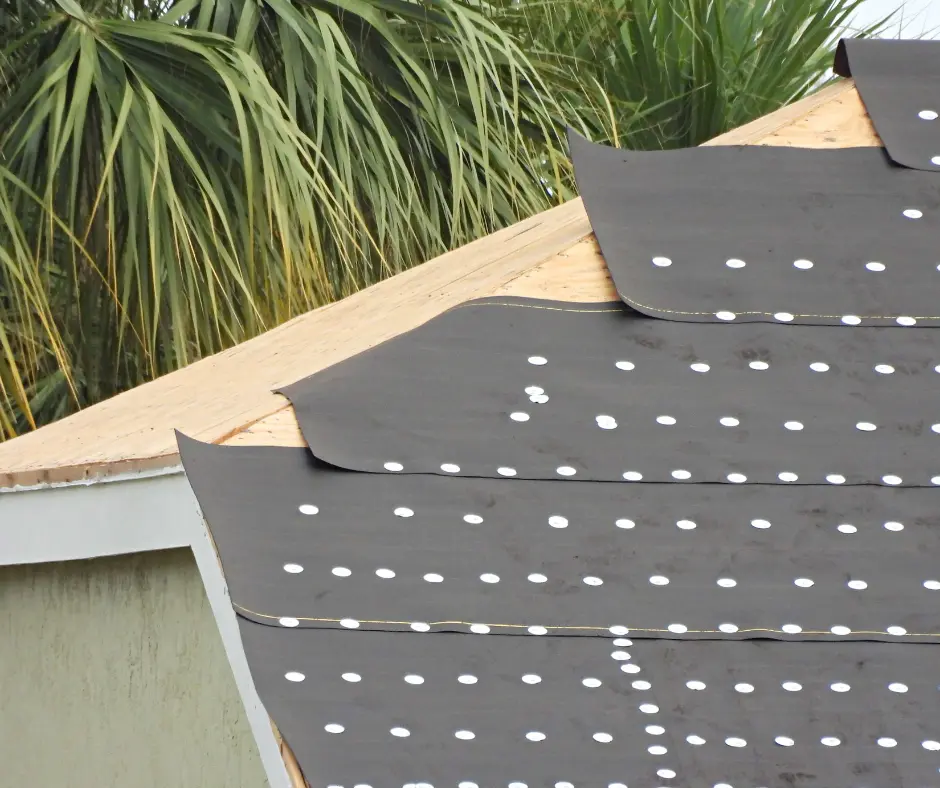
Synthetic roof underlayment is made from polypropylene or polyethylene. Manufacturers weave or spin these materials into a strong, flexible sheet, then add a slip-resistant coating on one side and a grip surface on the other.
The result is a material that handles moisture, temperature extremes, and physical stress far better than felt. High-quality synthetic products meet or exceed ASTM D226 Type I and II standards, ensuring they are suitable for use as underlayment materials.
Here’s what sets it apart.
Strength and Durability
Synthetic roof underlayment won’t tear when you walk on it or when the wind catches an exposed section during installation. Tear strength ranges from 150 to 250 pounds in testing, compared to 30 to 40 pounds for standard felt.
This matters during installation and during storms. Strong winds can lift shingles and expose underlayment. Synthetic material stays intact. Felt rips.
Water Resistance
Synthetic underlayment doesn’t absorb water. Felt does.
When felt gets wet, it swells, wrinkles, and loses its flat surface. Those wrinkles create gaps where water can penetrate. Synthetic material sheds water immediately and stays flat.
In Winnipeg, where ice dams form on nearly every roof during winter, this difference is critical. Water backs up behind ice dams and sits against your underlayment for days or weeks. Synthetic material handles that exposure without degrading.
Temperature Performance
Synthetic roof underlayment stays flexible in extreme cold and doesn’t break down in extreme heat. Felt underlayment tends to lose flexibility and can crack in sub-20°C conditions. Felt also deteriorates faster when exposed to the summer sun.
Winnipeg temperatures range from minus 40 in January to plus 35 in July. Your roof underlayment needs to handle both extremes. Synthetic material does.
UV Resistance
Roof projects don’t always finish in one day. Weather delays happen. Scheduling issues come up. Your underlayment might sit exposed for several days or even weeks.
Synthetic roof underlayment can handle UV exposure for 30 to 180 days, depending on the product. Some premium versions offer up to 270 days per manufacturer testing. Felt starts breaking down after just a few days in direct sunlight.
Installation Speed
Synthetic roof underlayment is lighter and easier to handle. Although felt weighs a similar amount per square, synthetic products achieve higher strength and coverage per roll due to material composition. Roofers can move faster without worrying about tearing the material.
Faster installation means lower labor costs and less chance of weather delays during your project.

Synthetic Roof Underlayment vs Felt: The Numbers
Here’s a direct comparison of key performance factors.
Tear strength: Synthetic delivers 150 to 250 pounds of resistance. Felt offers 30 to 40 pounds.
Water absorption: Synthetic absorbs less than 1 percent of its weight. Felt absorbs 5 to 10 percent or more.
UV exposure limit: Synthetic lasts 30 to 270 days per manufacturer testing, depending on grade. Felt breaks down in 3 to 7 days.
Temperature range: Synthetic performs from minus 40 to plus 115 degrees Celsius. Felt underlayment tends to lose flexibility and can crack in sub-20°C conditions.
Weight per square: Synthetic weighs 20 to 40 pounds per square. Although felt weighs a similar amount per square, synthetic products achieve higher strength and coverage per roll due to material composition.
Cost per square: Synthetic runs $70 to $120 per roll. Felt costs $30 to $75 per roll.
Yes, synthetic costs more upfront. But it lasts longer, performs better, and reduces your risk of callbacks and repairs.
Why Synthetic Roof Underlayment Matters for Winnipeg Properties
Winnipeg’s climate puts unique stress on roofs. You need materials that can handle it.
Ice Dams Are Inevitable
Every winter, Winnipeg homes deal with ice dams. Heat escapes through your attic, melts snow on your roof, and that water refreezes at the eaves. Ice builds up. Water backs up under your shingles.
Your underlayment is the only thing standing between that water and your roof deck. Synthetic material won’t absorb that water or break down under prolonged exposure. Felt will.
Temperature Swings Cause Expansion and Contraction
Winnipeg sees temperature swings of 70 degrees or more between summer and winter. Your roof expands and contracts with those changes. Your underlayment needs to flex without cracking.
Synthetic material stays flexible through those cycles. Felt underlayment tends to lose flexibility and can crack in sub-20°C conditions.
Wind Drives Rain Sideways
Strong winds are common in Winnipeg, especially during spring and fall storms. Wind drives rain under shingles and against underlayment. Water-resistant synthetic material sheds that rain. Felt absorbs it.
Older Homes Need Reliable Secondary Protection
Many Winnipeg homes were built 50, 60, or 70 years ago. Roof decks may have gaps or imperfections. Attic ventilation might not meet modern standards. Your underlayment needs to compensate for those issues.
Synthetic roof underlayment provides better protection when other parts of your roofing system aren’t perfect.
How to Choose the Right Synthetic Roof Underlayment
Not all synthetic products perform the same. Here’s what to look for.
Check the Weight Rating
Heavier synthetic underlayment offers better durability. Standard products weigh 20 to 25 pounds per square. Premium products weigh 30 to 40 pounds per square.
For Winnipeg properties, choose a product that weighs at least 25 pounds per square.
Look for High UV Resistance
If your project might face delays, choose a product rated for at least 90 days of UV exposure. Premium products offer 180 to 270 days per manufacturer testing.
Verify Temperature Range
Make sure your underlayment is rated for temperatures as low as minus 40°C. Some products lose flexibility in extreme cold. The best options maintain performance across the full temperature range Winnipeg experiences.
Confirm Ice and Water Shield Compatibility
Your roofer will install ice and water shields in vulnerable areas, like eaves, valleys, and penetrations. Make sure your synthetic underlayment is compatible with the ice and water shield product being used.
Choose a Slip-Resistant Surface
Roofers work on steep slopes in all weather conditions. Synthetic underlayment should have a textured, slip-resistant surface to reduce fall risk during installation.
Verify ASTM Compliance
Seek products that comply with ASTM D226 Type I and II performance equivalents. This ensures the material meets recognized industry standards for strength, water resistance, and durability.
Installation Details That Matter
Synthetic underlayment performs best when installed correctly. Here’s what your contractor should do.
Start with a Clean Deck
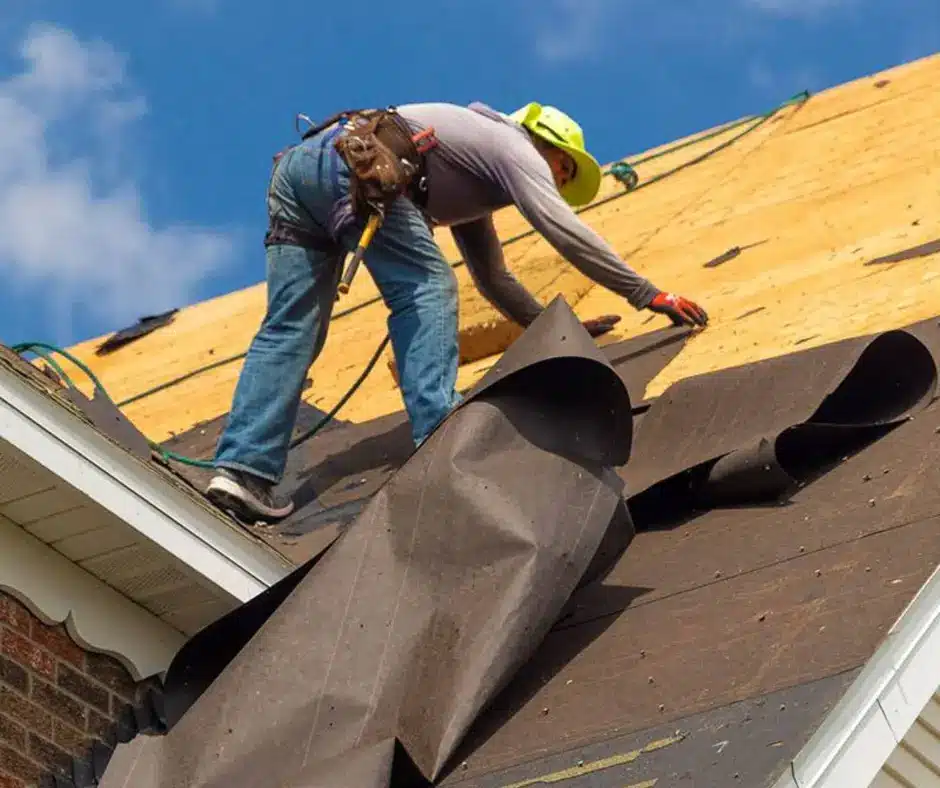
Remove all old underlayment and loose debris. Inspect the roof deck for damage. Replace any rotted or damaged sections before installing new underlayment.
Install from the Bottom Up
Begin at the eaves and work toward the ridge. Overlap each row by at least 4 inches. This prevents water from seeping between layers.
Secure It Properly
Use plastic cap nails or staples to secure the underlayment to the deck. Space fasteners according to manufacturer specifications, typically every 12 to 24 inches along each seam.
Seal All Penetrations
Cut underlayment to fit around vents, chimneys, and other roof penetrations. Seal edges with compatible tape or sealant to prevent water infiltration.
Don’t Leave It Exposed Long-Term
Even though synthetic underlayment can handle UV exposure for months, per manufacturer testing, don’t push that limit. Install shingles as soon as possible after the underlayment goes down.
What Synthetic Underlayment Costs in Winnipeg
Material cost for synthetic roofing underlayment ranges from $70 to $120 per roll, depending on grade and brand. Each roll typically covers 1,000 to 1,200 square feet.
For a typical 2,000-square-foot Winnipeg home, you’ll need about 20 to 24 squares of coverage. Expect to pay $350 to $600 for underlayment material.
Labor to install underlayment typically runs $50 to $100 per square, but the labor is usually bundled into your overall roof replacement cost rather than billed separately.
Compare this to felt underlayment at $30 to $75 per roll. Material savings might total $150 to $300 on a full roof replacement. But those savings disappear quickly if felt fails, and you need repairs within a few years.
When Should You Replace Your Roof Underlayment?
Underlayment typically lasts as long as your shingles. If your shingles are 20 years old and showing wear, your underlayment is too.
Replace underlayment whenever you replace your shingles. Never install new shingles over old underlayment. That old layer is already compromised and won’t provide the protection your new shingles need to perform well.
If you’re repairing a small section of roof after storm damage, you’ll need to replace the underlayment in that area as well. Match the type and grade of underlayment to what’s on the rest of your roof.
Why All Weather Exteriors Recommends Synthetic Roof Underlayment
We’ve installed thousands of roofs across Winnipeg. We’ve seen how different materials perform in real-world conditions.
Synthetic roof underlayment simply works better. It handles ice dams, temperature extremes, and moisture exposure without failing. It gives your roof the protection it needs to make it through Winnipeg winters year after year.
We could save you $200 or $300 by using felt. But we’d rather give you a roof that lasts. Synthetic roofing underlayment is worth the small additional cost upfront because it prevents bigger problems down the road.
When we quote your project, we include high-quality synthetic roof underlayment as standard. We explain what it does, why it matters, and how it protects your investment.
Frequently Asked Questions About Synthetic Roof Underlayment
Can I install synthetic underlayment myself?
You can, but we don’t recommend it unless you have roofing experience. Proper installation requires understanding overlap requirements, fastener spacing, and how to seal around penetrations. Mistakes create leaks. Hire a qualified contractor to ensure your underlayment performs as intended.
How long does synthetic roofing underlayment last?
When installed correctly beneath shingles, synthetic roofing underlayment lasts 30 to 50 years or more. It will typically outlast your shingles. However, if left exposed to weather without shingle coverage, even premium synthetic products will eventually degrade. Install shingles promptly after the underlayment goes down.
Does synthetic underlayment help with ice dams?
Yes. Synthetic underlayment won’t prevent ice dams from forming, but it provides superior protection when they do. It resists water absorption and stays intact when water backs up behind ice for extended periods. This reduces leak risk and gives you time to address the ice dam before damage occurs inside your home.
Get the Protection Your Winnipeg Property Needs
Your roof faces some of the harshest conditions in Canada. You need materials that can handle it.
Synthetic roof underlayment gives your roof the secondary protection it needs to survive ice, wind, temperature swings, and moisture. It costs a bit more than felt, but it performs far better when conditions get tough.
At All Weather Exteriors, we recommend installing synthetic underlayment on every roof we build. We’ve seen the difference it makes. We know it’s the right choice for Winnipeg properties.
If you’re planning a roof replacement or want to know more about what’s protecting your property, contact us. We’ll inspect your roof, explain your options, and give you a clear plan for keeping your building protected for decades to come.
Leave a Reply
You must be logged in to post a comment.