

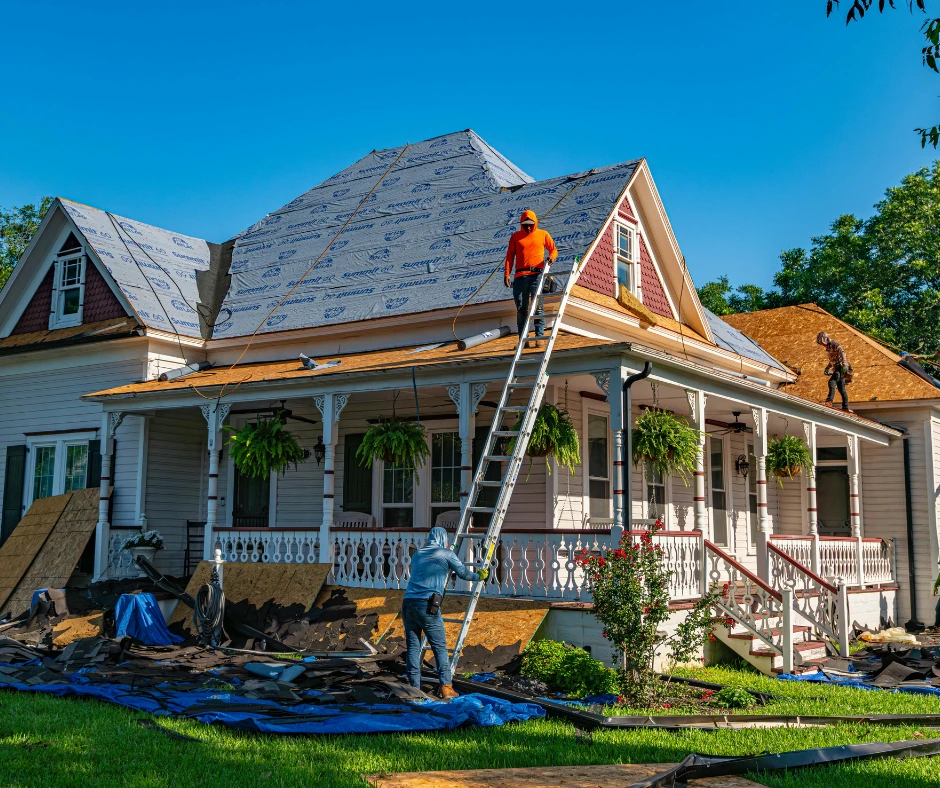
A property manager overseeing a six-unit rental building in West Kildonan contacted All Weather Exteriors in late August after the building’s flat roof had shown signs of ponding water and failing membrane seams through the summer. The roof was not in emergency condition, but it needed full replacement before the first hard freeze. The property manager had initially planned to defer the work until spring to manage cash flow. After a conversation about what a winter deferral actually meant for a failing flat roof in Winnipeg, and why an off-season roof replacement compared so favorably to a May booking in terms of crew availability and lead time, he moved forward in early September. The work was completed in three days during a window of stable weather. The building went into winter with a new membrane and no active leak points. The cost was the same as a comparable spring booking. What the property manager gained was scheduling priority, faster crew availability, and the certainty that the building would not spend six months with a deteriorating roof under heavy snow load.
TL;DR:
Off-season roofing in Winnipeg is real, but the definition of off-season matters. Late August through early October is the most underutilized booking window and offers genuine advantages, including better crew availability and faster scheduling. The manufacturer’s temperature requirements constrain true winter installation of asphalt shingles. This article explains what is possible, when it works, and what questions to ask before booking outside the peak spring window.
What Off-Season Roof Replacement Actually Means for Winnipeg Roofing
The term off-season means something specific in Winnipeg that it does not mean in Vancouver, Toronto, or anywhere with a milder winter.
In most Canadian cities, off-season roofing refers to winter work. In Winnipeg, winter is not a practical installation window for full asphalt shingle replacements for a reason that has nothing to do with contractor preference: the materials themselves have documented minimum temperature requirements that Winnipeg winters routinely and dramatically violate.
The practical roofing season in Winnipeg runs from approximately late April through early October. Within that window, two distinct demand periods create meaningfully different booking and pricing conditions.
Peak season: May through July. This is when demand is highest. Post-winter inspection findings, insurance claims from spring hail events, and homeowners who planned work over the winter all converge on the same booking window. Crews are fully committed. Lead times stretch. Contractors at capacity have less reason to sharpen pricing.
Underutilized window: August through early October. Demand drops from the spring peak. The weather is more stable than in spring. Days are long. Crews are available. Contractors are motivated to fill schedules before the season ends. This is the window where the combination of reliable conditions and easing demand creates real advantages for homeowners who plan ahead.
Understanding which part of the season you are booking into changes the conversation with every contractor you call.
Why Asphalt Shingles Cannot Be Installed in a Winnipeg Winter
This is the most important technical fact in this article, and it is non-negotiable.
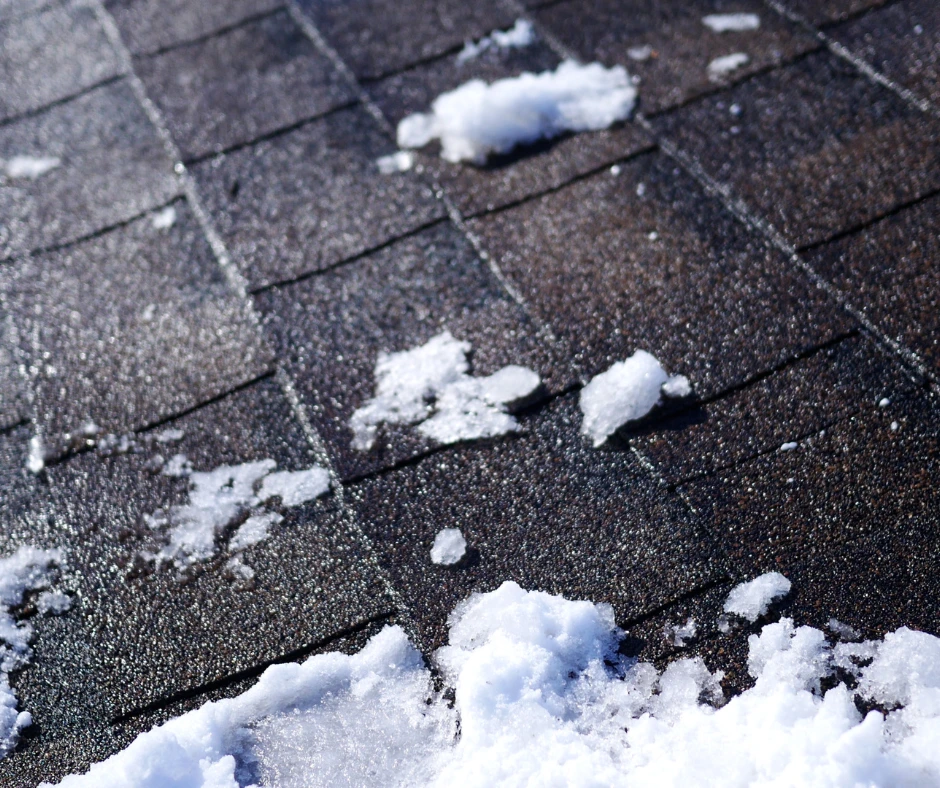
Asphalt shingles have a minimum installation temperature of 4°C as specified by major manufacturers, including IKO, one of Canada’s largest shingle producers. Below that threshold, shingles become brittle and prone to cracking during handling and nailing. More critically, the self-sealing adhesive strips on the underside of each shingle, the strips that bond courses together and create wind resistance, do not activate below 4°C. A shingle installed in cold conditions may lie flat on the day of installation and appear correct. Without adhesive activation, it will not seal to the course below it. Wind uplift risk increases. Long-term performance is compromised. Most manufacturers will not honour product warranties on shingles installed outside their specified temperature range.
Winnipeg’s average daily high temperature in November is approximately 0°C. By December, average daily highs drop to around -7 °C, and in January, average daily highs sit around – 10°C. These figures, based on historical climate data compiled from Environment and Climate Change Canada normals for the Winnipeg region, show that the installation window for asphalt shingles closes firmly in late October or early November in most years and does not reliably reopen until late April.
This means a homeowner hoping to save money by booking a full asphalt shingle replacement in January or February in Winnipeg is not booking off-season work. They are booking work that either cannot be done correctly or is being quoted speculatively for a spring start. Any contractor offering a meaningful discount on a full winter shingle replacement in Winnipeg should be asked directly when the work will actually be performed and under what temperature conditions.
What Can Be Done in Winter
Winter is not a completely dead zone for roofing work in Winnipeg. There are legitimate categories of work that qualified contractors perform during the cold months.
- Emergency repairs. Active leaks do not wait for spring. Ice dam infiltration, wind damage from fall storms, and membrane failures on flat commercial roofs all require immediate attention regardless of temperature. Emergency repairs use temporary flashing, sealants, and covering materials rated for cold-weather application. These repairs are not permanent installations, but they protect the interior until conditions allow for proper work.
- Flat roof membrane replacement. Some flat roof membrane systems, particularly two-ply modified bitumen systems applied with torch-down methods, can be installed in temperatures below the asphalt shingle threshold with proper crew preparation, though manufacturer temperature minimums still apply and vary by product. Cold-weather flat roof work is more common on commercial and multi-unit residential properties in Winnipeg than full residential shingle work. Confirm temperature specifications with the specific membrane manufacturer before proceeding.
- Planning and contracting. Winter is the best time to get your project fully scoped, materials specified, financing arranged, and a spring booking confirmed in writing. Contractors who are not in production mode during the winter months have more time for detailed project conversations. Homeowners who sign contracts in January for May starts secure their place in the spring schedule before the spring rush begins.
- Interior work associated with roofing. Attic insulation upgrades, ventilation improvements, and interior damage repairs from previous roof failures can all proceed in winter without weather constraints.
The August-to-October Window: Where the Real Opportunity Is
If the goal is saving money and getting a better experience without compromising installation quality, the late summer and early fall window is the right target, not midwinter.
Here is why this window is genuinely advantageous.
- Crew availability. May and June bookings in Winnipeg are constrained by the volume of work competing for the same crews. Contractors managing a full spring backlog have tighter scheduling flexibility and less ability to accommodate short-lead bookings or urgent work. By August, the backlog will have been worked through. Crew availability for your specific dates is more predictable and more negotiable.
- Weather reliability. Winnipeg’s spring weather is notoriously variable. Freeze events in late April and early May can delay projects. August and September in Winnipeg record zero average snowfall days, and precipitation totals drop considerably from the June and July peak, based on Environment Canada climate normals for the region. Projects booked in late summer run a lower statistical risk of weather-related delays from precipitation than the same projects booked in the wetter spring window.
- Contractor motivation. A contractor who has two months of a reliable work window remaining is more motivated to be competitive on price and responsive on scheduling than one who is already backlogged into July. This is not a guarantee of a lower price, but it is the condition under which competitive pricing is most likely to occur.
- No compromise on installation quality. August and September temperatures in Winnipeg are well above the 4°C shingle installation minimum. Ice and water shield adheres properly. Sealants cure correctly. Shingle tabs seal to the course below within days of installation rather than waiting weeks for temperatures to rise, as can happen with late-October work. The installation conditions in late summer are, in many respects, the best of the entire roofing year.

Can You Negotiate a Lower Price in the Off-Season?
This is the question most homeowners actually want answered, and the honest answer is: sometimes, within limits.
Roofing prices are not primarily determined by seasonal demand the way, for example, hotel rates are. The cost of materials, labour, disposal, and overhead does not change significantly between May and September. What changes is contractor availability and booking pressure, and that affects the dynamic of the conversation, not necessarily the line items in the quote.
What are you more likely to find in the August to October window:
- Faster scheduling. The most immediate benefit is not a lower price: it is a shorter wait. In the peak spring season, reputable contractors book out quickly and lead times extend. In late summer, scheduling tends to be more flexible, and projects can often begin sooner. If your roof has deteriorating shingles or minor active damage, a shorter wait before starting means less exposure to further deterioration.
- More attention to your project. Contractors at peak capacity are managing multiple concurrent projects. The same contractor in late August is typically managing fewer simultaneous jobs, which means more crew focus on your specific project, tighter cleanup, and more responsive communication.
- Potential flexibility on bundled work. If you are combining a roof replacement with eavestrough work, soffit and fascia, or siding, a contractor with availability in September is more likely to be able to schedule all components in the same window rather than splitting the work across multiple seasonal bookings. Bundling work with a single contractor reduces mobilization costs and can reduce total project cost compared to booking each trade separately.
- Pricing honesty. A contractor who is not under booking pressure has less reason to cut corners on scope to win a job quickly. The quotes you receive in late summer tend to be more thorough because the contractor has time to assess and document the full scope properly.
Bundling Exterior Work: Where Real Savings Come From
The most substantial financial savings in Winnipeg exterior work come not from seasonal timing but from project bundling, combining multiple exterior services with a single contractor on a single mobilization.
All Weather Exteriors handles roofing, eavestrough and gutter installation, soffit and fascia, siding, and exterior painting as a complete exterior scope. When multiple services are combined into one contract, several cost categories shrink.
- Mobilization costs. Getting a crew to your property, staging materials, and setting up safety equipment has a fixed cost that gets applied once per visit, regardless of how many services are being performed. Booking roofing and eavestrough replacement separately means paying that mobilization cost twice. Booking them together means paying for it once.
- Scaffolding and access equipment. On two-storey homes or properties where scaffolding or lift equipment is needed, the cost of that equipment is shared across all services performed during the same mobilization rather than duplicated across separate visits.
- Sequencing efficiency. When trades work in the correct order on the same project, the work proceeds faster and with fewer rework events. Eavestrough work done immediately after roofing, for example, allows the fascia condition to be assessed and addressed while the crew is already on site, rather than discovering a fascia problem when a separate eavestrough crew arrives weeks later.
The August to October window is the most practical time to execute a bundled exterior project in Winnipeg because crew availability across multiple service categories is highest. A spring booking for a bundled project often means either splitting the timing across different availability windows for different trades or accepting that some components will be delayed.
What to Watch for With Off-Season Quotes
Not every contractor offering off-season pricing is offering the same product. A few specific things to verify before signing.
- Temperature commitments. Ask directly what minimum temperature the contractor will work in. For asphalt shingles, the answer should be 4°C or above, consistent with manufacturer specifications. A contractor who says they can work in any temperature is either planning to use cold-weather hand-sealing methods, which are legitimate but add time and cost, or is not following manufacturer guidelines.
- Warranty terms. Confirm that the product warranty from the shingle manufacturer applies to the installation date and conditions. Some manufacturers require installation within specified temperature ranges for the warranty to be valid. A legitimate contractor will be able to confirm this without hesitation.
- Scope completeness. Off-season quotes should be as detailed as any other time of year. Scope, material specifications, labour breakdown, disposal, and decking allowance should all be present. A vague quote in September is as problematic as a vague quote in May.
- Start date in writing. If you are booking in winter for a spring start, get the confirmed start window in writing as part of the contract. A verbal commitment to a May start does not hold the contractor to a specific date when spring arrives, and the backlog builds.
Financing: Making the Timing Work Financially
One practical reason homeowners defer roof work to spring is cash flow. A large project invoice is easier to plan for with months of lead time.
All Weather Exteriors offers financing for qualifying projects, which means the timing of your cash outlay does not have to match the timing of the work. Homeowners who identify roof deterioration in August and want to act before winter can often finance the project and manage the payments on a schedule that fits their budget, without waiting until spring and accepting the risk of additional winter damage in the interim.
For rental property owners and property managers, acting in late summer rather than spring also means the building enters winter in a confirmed watertight condition rather than with a deteriorating roof that may require emergency repairs, which carry their own costs and disruption, during the coldest months of the year.
Frequently Asked Questions
Is it really cheaper to get a roof done in the fall in Winnipeg?
Not necessarily cheaper in terms of line-item pricing, since material and labour costs do not change significantly by season. The real advantages of a late summer or fall booking are faster scheduling, better crew availability, more reliable weather windows, and more flexibility for bundling multiple exterior services. These translate to a better overall project experience and potentially lower total cost when bundling is involved.
What is the latest in the year a roof replacement can be done in Winnipeg?
For asphalt shingles, most contractors target completion before consistent overnight temperatures drop below 4°C, which in Winnipeg typically means mid to late October as a practical outer limit. Specific year conditions vary. Flat roof membrane systems have different temperature constraints depending on the product and application method.
Can a contractor do anything to install shingles in cold weather?
Manufacturers, including IKO, document cold-weather hand-sealing methods where adhesive cement is manually applied under each tab when temperatures are too low for self-sealing strips to activate. This adds labour time and cost. It is a legitimate practice for borderline temperatures, not a solution for Winnipeg January conditions.
Should I book now for next spring or wait until spring to call?
Booking in winter for a spring start gives you scheduling priority before the spring backlog builds. Reputable contractors fill their earliest spring slots during the winter months. Calling in April or May for a May or June start often means joining a waitlist rather than choosing your preferred window.
Does bundling roofing with eavestrough and siding actually save money?
Yes, primarily through reduced mobilization costs and better sequencing efficiency. When multiple services are performed in a single mobilization, the fixed costs of crew travel, equipment staging, and setup are shared rather than duplicated. All Weather Exteriors handles all of these services and can scope a bundled project as a single contract.

Ready to Book Before the Spring Season Fills?
The spring window in Winnipeg is one of the best times to get roofing work done, but it moves quickly. Once the ground thaws and the weather stabilizes, booking slots fill up fast. Homeowners who waited out the winter are all calling at once.
If your roof took a hit from ice dams, freeze-thaw cycles, or heavy snow loads this past winter, now is the time to get it assessed and scheduled before the summer rush arrives.
All Weather Exteriors serves all of Winnipeg and the surrounding areas, from Headingley to Transcona. BBB A+ accredited since 2009. Over 6,000 homes completed. Licensed and insured. Financing available for qualifying projects.
Call (204) 510-2959 or visit allweatherexteriors.ca to schedule your free estimate this spring.