
The Ultimate Guide to Roofing Tar: Tips and Tricks

When it comes to maintaining and protecting your home from the elements, few materials have stood the test of time quite like roofing tar. This versatile substance has been a staple in the roofing industry for decades, providing waterproofing protection and extending the lifespan of various roofing systems.
Whether you’re dealing with a minor leak or planning a complete roof restoration, understanding roofing tar’s applications and limitations is essential for any property owner in Winnipeg’s challenging climate.
In this comprehensive guide, we’ll explore everything you need to know about roofing tar—its composition, applications, best practices for application, and when to call professionals like All Weather Exteriors.
With Winnipeg’s extreme temperature fluctuations and significant precipitation throughout the year, proper roof maintenance isn’t just recommended—it’s necessary for protecting your investment.
What Is Roofing Tar?
Roofing tar, also known as bitumen, is a dark, viscous material derived from coal or petroleum distillation. It’s prized for its waterproofing properties and excellent adhesion to various roofing surfaces. Modern roofing tar comes in several formulations:
- Coal tar pitch: Traditional tar derived from coal, known for exceptional water resistance
- Asphalt-based tar: Petroleum-derived product, the most common type used today
- Modified bitumen: Enhanced with polymers or rubbers for improved flexibility and durability
- Cold-applied tar: Formulated for application without heating, though generally less durable than hot-applied versions
Each formulation offers specific advantages depending on the roofing project, climate conditions, and application method. In Winnipeg’s extreme climate, where temperatures can range from -40°C in winter to +35°C in summer, selecting the appropriate roofing tar formula is crucial for long-term performance.
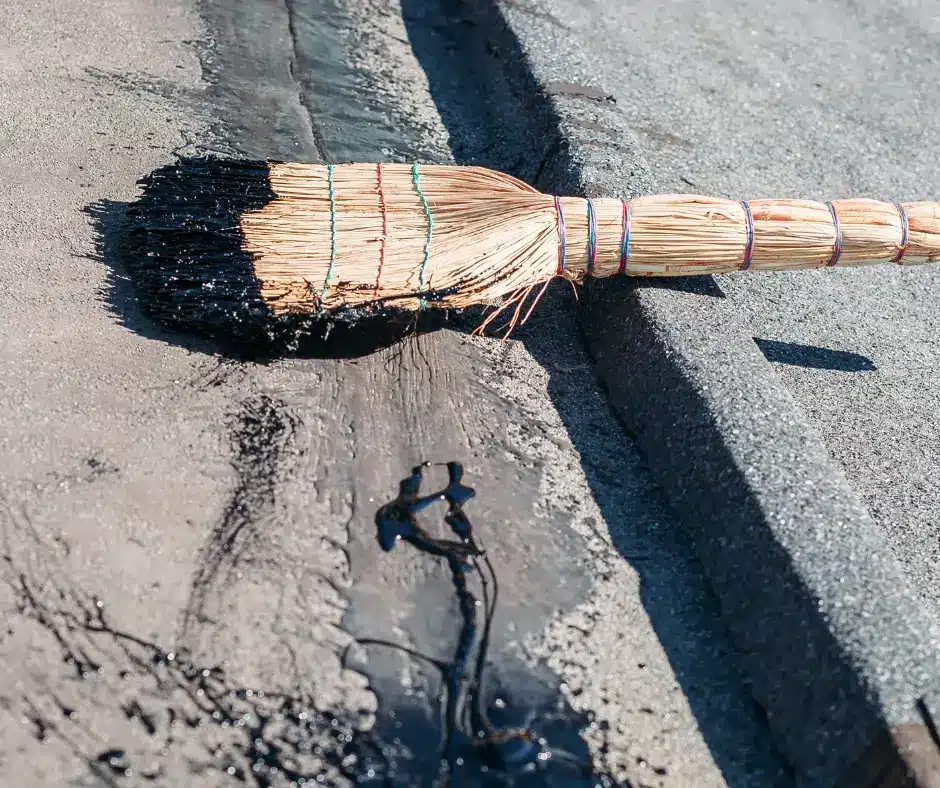
Applications of Tar for Roof Systems
Roofing tar serves multiple functions across different roofing systems:
Flat and Low-Slope Roofs
For commercial buildings and some residential structures with flat or low-slope roofs, tar is often the primary waterproofing agent. When applied in a built-up roofing (BUR) system, alternating layers of tar and reinforcing fabrics create a durable, waterproof membrane capable of withstanding pooling water and harsh weather conditions.
Repair and Maintenance
One of the most common uses of roof tar is patching and repair work:
- Sealing small leaks: A roof tar patch can quickly seal minor penetrations and prevent water intrusion
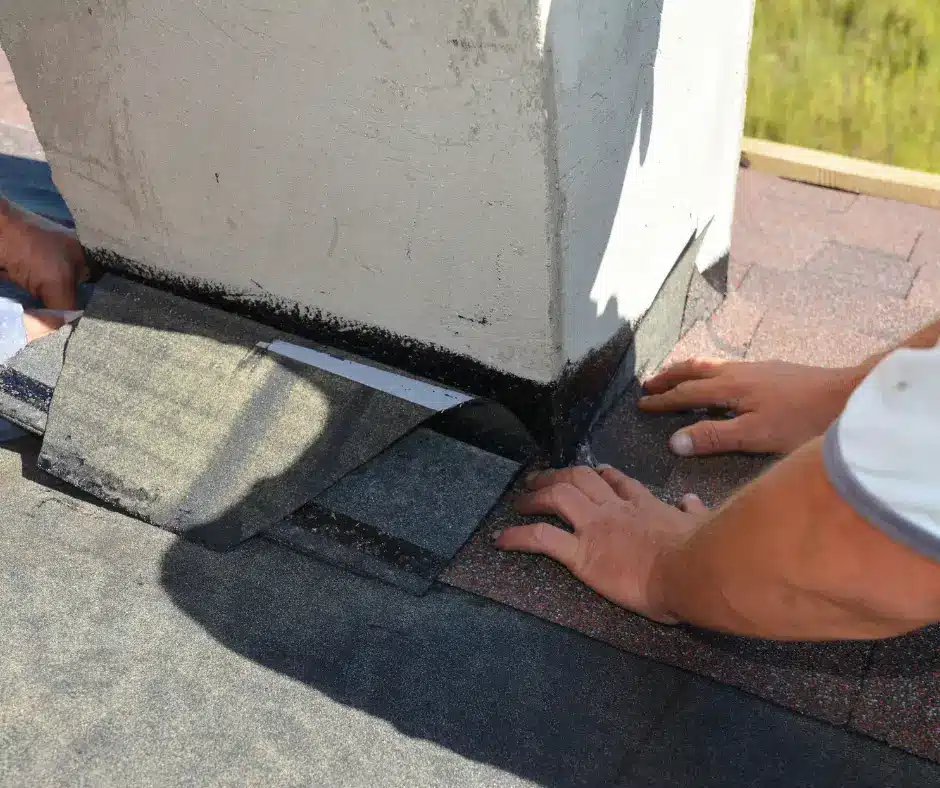
- Flashing repairs: Tar helps reinforce vulnerable areas around chimneys, vents, and roof intersections
- Extending roof life: Regular maintenance using tar can significantly prolong the service life of aging roofs
Waterproofing Elements
Beyond the roof surface itself, tar is useful for waterproofing various roofing elements:
- Sealing around roof penetrations like plumbing vents
- Reinforcing gutter seams and connections
- Waterproofing parapet walls on flat roofs
- Creating water stops at roof edges and transitions
How to Tar a Roof: Professional Tips
While major roofing work should be left to professionals like All Weather Exteriors, understanding how to tar a roof can help homeowners appreciate the complexity involved and handle minor repairs when necessary.
Preparation
Proper preparation is crucial for any successful roofing tar application:
- Clean the surface thoroughly: Remove all debris, dust, and loose materials. Power washing may be necessary for larger areas.
- Check for moisture: The surface must be completely dry before application. In Winnipeg’s humid summers, this may require additional time.
- Repair damaged substrate: Replace rotted wood or damaged roofing materials before applying tar.
- Prime porous surfaces: Apply an appropriate primer to improve adhesion, especially on concrete or masonry surfaces.
- Gather proper safety equipment: Including gloves, safety glasses, and appropriate footwear.
Application Methods
Depending on the product and application, roofing tar can be applied using several methods:
Hot Application
For traditional built-up roofing systems, hot-applied tar provides superior waterproofing capabilities:
- Heat the tar to the manufacturer’s recommended temperature (typically 350-450°F)
- Transport to the roof in special containers designed to maintain temperature
- Apply using specialized mops or mechanical spreaders
- Immediately embed reinforcing fabric while the tar is hot
- Apply subsequent layers as specified by the system design
This method requires specialized equipment and training—best left to professional roofers.
Cold Application
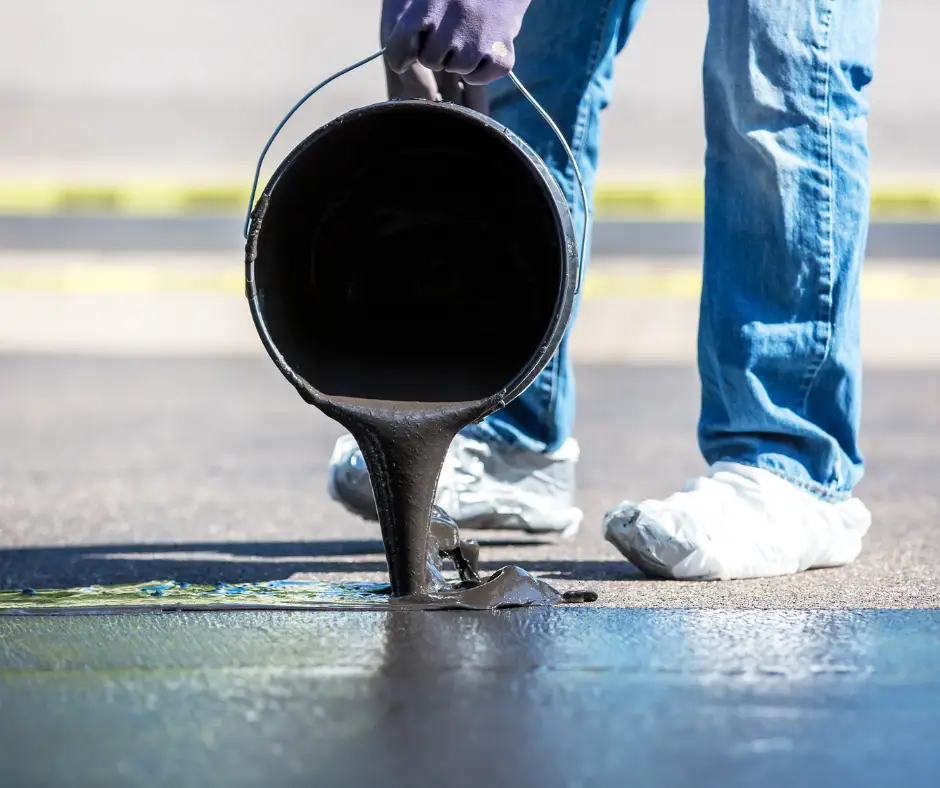
For smaller repairs and DIY applications, cold-applied tar products offer greater convenience:
- Stir the product thoroughly to ensure consistent texture
- Apply with a trowel, putty knife, or brush as appropriate for the repair
- Build thickness gradually in multiple thin layers rather than one thick application
- Allow proper curing time between layers (typically 24-48 hours)
- Finish with reflective coating if recommended by the manufacturer
Safety Considerations
Working with roofing tar requires careful attention to safety:
- Ventilation is crucial, especially with hot applications
- Hot tar can cause severe burns—proper protective equipment is essential
- Never leave heating equipment unattended
- Be aware of fire hazards associated with hot tar and heating equipment
- Consider weather conditions—extreme temperatures affect application quality
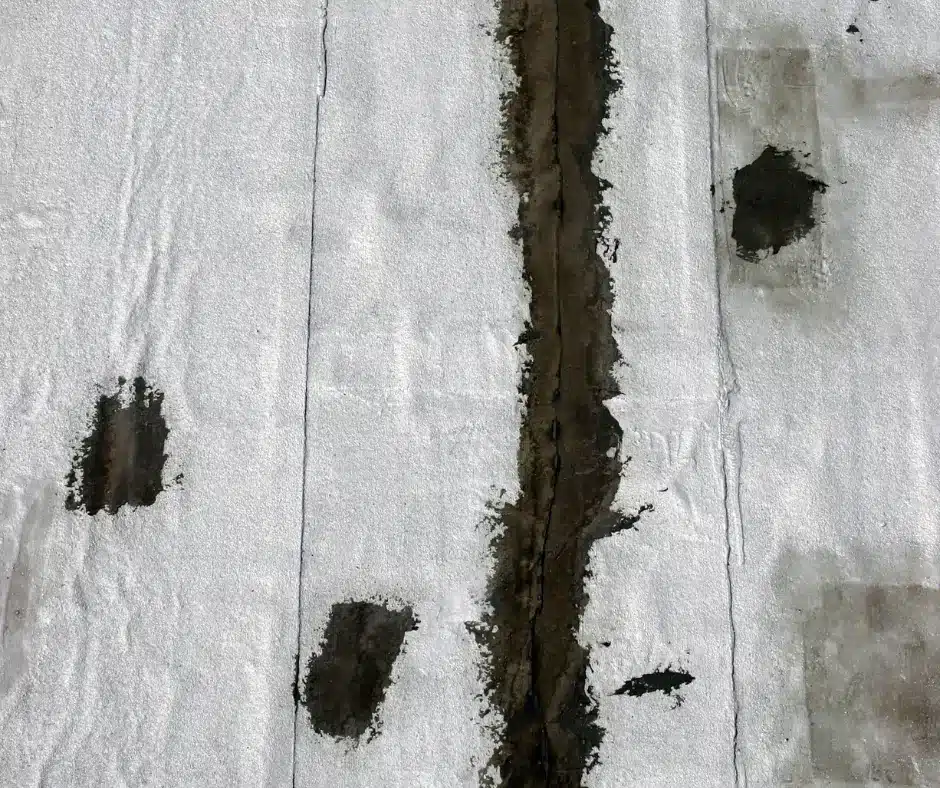
When to Use Roof Tar Patch Products
Small-scale repairs are where homeowners most commonly encounter roofing tar products. Pre-packaged roof tar patch materials are available for specific repair scenarios:
Emergency Leak Repairs
When facing an active leak, specially formulated roof tar patches can provide immediate relief:
- These products often work on wet surfaces
- They form a flexible seal that can accommodate minor movement
- Many contain reinforcing fibers for added strength
- They’re ideal for temporary repairs until comprehensive service can be scheduled
Preventative Maintenance
Regular inspection and maintenance with appropriate tar products can prevent small issues from becoming major problems:
- Check and reseal around roof penetrations annually
- Inspect and reinforce flashing with compatible tar products
- Address minor surface deterioration before water infiltration occurs
- Apply reflective coatings to extend tar’s UV resistance in exposed applications
Limitations of DIY Tar Applications
While roof tar is available to homeowners, there are significant limitations to DIY applications:
- Temperature sensitivity: Improper application temperatures lead to adhesion failures
- Material compatibility: Not all roofing materials work well with all tar formulations
- Warranty considerations: DIY repairs may void existing roof warranties
- Safety risks: Working at heights and with potentially hazardous materials
- Disguising larger problems: Temporary patches may hide underlying structural issues
When to Call Professional Roofers
Knowing when to call professional roofers like All Weather Exteriors is crucial for maintaining your roof’s integrity. Consider professional assistance when:
- Multiple leaks appear, suggesting systematic failure
- Large areas require waterproofing or restoration
- The roof substrate shows signs of damage or rot
- You’re unsure about the appropriate repair approach
- Safety concerns make DIY work inadvisable
- Previous repair attempts have failed
In Winnipeg’s harsh climate, professional expertise ensures that repairs stand up to extreme temperature fluctuations, heavy snow loads, and spring thaw conditions.
Why Choose All Weather Exteriors for Roofing Tar Applications
When it comes to professional roofing services in Winnipeg, All Weather Exteriors stands out for several reasons:
- Climate-specific expertise: Understanding how local weather affects roofing materials and applications
- Comprehensive assessment: Identifying underlying issues before applying surface treatments
- Quality materials: Using premium roofing tar products appropriate for each specific application
- Proper application techniques: Ensuring optimal adhesion and longevity of repairs
- Warranty protection: Providing peace of mind with guaranteed workmanship
- Preventative recommendations: Helping homeowners avoid future problems
Maintenance Tips for Tar Roofs
To maximize the lifespan of roofing tar applications:
- Schedule regular inspections: At least twice yearly—spring and fall
- Keep the roof clean: Remove debris that can trap moisture against the tar surface
- Maintain proper drainage: Ensure gutters and drains remain clear
- Apply UV protection: Consider reflective coatings for exposed tar surfaces
- Address damage promptly: Small repairs are always less costly than major restoration
- Monitor for signs of aging: Cracking, alligatoring, or blistering indicates the need for attention
Environmental Considerations
Modern roofing practices increasingly focus on environmental impact:
- Consider “cool roof” reflective coatings over dark tar surfaces to reduce energy consumption
- Explore eco-friendly tar alternatives for new applications
- Ensure proper disposal of old tar materials during replacement
- Discuss solar-reflective options with your roofing professional
Frequently Asked Questions (FAQs) About Roofing Tar
How long does roof tar last?
Professional-grade roofing tar applications typically last between 3-5 years before requiring maintenance, depending on exposure conditions. In Winnipeg’s extreme climate, yearly inspections are recommended to identify any areas requiring attention. Hot-applied tar in built-up roofing systems can last 20-30 years when properly installed and maintained by professionals like All Weather Exteriors.
Can I apply roof tar in winter?
Most roofing tar products should not be applied when temperatures are below 40°F (4°C). Cold-weather application compromises adhesion and flexibility. In Winnipeg’s winter conditions, professional roofers may use specialized cold-weather formulations when emergency repairs are necessary, but comprehensive tar applications should be scheduled during warmer months for optimal results.
Is roof tar the same as roofing cement?
While often used interchangeably, they have distinct differences. Roofing tar is typically more fluid and may require heating for application. Roofing cement (also called roofing mastic) is thicker, often reinforced with fibers, and designed for cold application. Both serve similar waterproofing functions, but roofing cement is generally better for smaller repairs while tar is preferred for larger surface areas.
How do I know if my tar roof needs repair?
Signs that your tar roof requires attention include:
*Visible cracks, blisters, or alligatoring in the surface
*Standing water that doesn’t drain within 48 hours
*Interior water stains or active leaks
*Tar that has become brittle or is flaking off
*Visible gaps at flashing points or roof penetrations
Can I apply roof tar over shingles?
Roof tar can be used for spot repairs on asphalt shingles but is not recommended as a coating over an entire shingled roof. The tar will trap heat, potentially damaging the shingles and shortening their lifespan. For comprehensive roof protection, consult with All Weather Exteriors about appropriate solutions for your specific roofing system.
How do I remove roof tar from my hands or tools?
For hands, use a citrus-based hand cleaner, followed by washing with soap and water. Never use gasoline or other petroleum solvents on skin. For tools, vegetable oil, mineral spirits, or commercial tar removers are effective. Allow tools to soak before scrubbing, and ensure proper disposal of cleaning materials according to local regulations.
Is breathing roof tar fumes dangerous?
Yes, roof tar vapors contain volatile organic compounds (VOCs) that can be harmful when inhaled. Always work in well-ventilated areas, use appropriate respirators when necessary, and take frequent breaks when applying hot tar. This is one of many reasons why professional application is recommended for large-scale roofing projects.
Can roof tar be applied over wet surfaces?
Standard roofing tar requires dry surfaces for proper adhesion. However, some emergency repair products are specifically formulated for wet-surface application. These specialized products should only be considered temporary solutions until proper repairs can be made under appropriate conditions by professionals.
How thick should roof tar be applied?
For most repairs, roof tar should be applied in layers of approximately 1/8 inch (3mm), with each layer allowed to set before applying the next. Total thickness typically shouldn’t exceed 1/4 to 3/8 inch (6-10mm). Applying tar too thickly can lead to improper curing, cracking, and premature failure.
Is a tar roof energy efficient?
Traditional black tar roofs absorb heat, potentially increasing cooling costs in summer. However, modern solutions include reflective coatings applied over tar surfaces to create “cool roofs” that reflect solar radiation. For energy efficiency options compatible with your existing tar roof, consult with All Weather Exteriors about reflective coating applications.
Protecting Your Investment with Professional Expertise
Roofing tar remains invaluable for protecting and maintaining roof systems, particularly in challenging climates like Winnipeg’s. While understanding its applications and limitations is valuable for every homeowner, professional installation and maintenance provide the greatest assurance of performance and longevity.
Don’t wait until water damage affects your home’s interior. Contact All Weather Exteriors today for a comprehensive roof assessment and learn how professional tar applications can extend your roof’s lifespan and enhance its performance. Our expert team will identify potential issues before they become costly problems and recommend the most appropriate solutions for your specific roofing system.
Act now to protect your most valuable asset. Call All Weather Exteriors at 204-5102959 or visit our website to schedule your professional roof inspection and consultation. Winnipeg’s weather doesn’t wait—and neither should you.
Leave a Reply
You must be logged in to post a comment.